Eine Form, die bleibt.

Das Designsystem für die Legacy-Seite von Intraprenör. Unsere Farben und unser Köpfchen, gebaut mit der Mechanik von Material 3: Formen, die federn, drehen und sich dehnen, und Augen, die schauen.

Entwurf v1116.11.2026Für intraprenoer.de

Fünf Farben und viel Ruhe.

Die fünf Markenfarben gehören den Formen und einmal pro Seite einer ganzen Fläche. Text auf Farbe ist immer Tinte. Der Grund ist Papier, Flächen sind Nebel, Knöpfe ein durchscheinender Hauch aus Tinte, damit die Farbe leuchten kann.

Papier#F8F6F3 · Grund
Nebel#F0EDE9 · Flächen, Kästen
Nebel tief#D2CEC8 · gewählt, gedrückt
Tinte#24201D · Schrift, dunkle Flächen

Oben rechts döst ein Mond. Fährt man drüber, blinzelt er auf. Ein Klick weckt ihn: Er lacht mit offenem Mund und hüpft kurz, Konfetti aus unseren Formen platzt heraus, und die ganze Seite färbt sich um, danach döst er weiter. Die Farben kommen immer in derselben Reihenfolge: normal, Zitrone, Minze, Iris, Koralle, dunkel und wieder normal. Wie bei labs.google gleiten alle Flächen dabei weich in die neue Farbe.

Jede Farbe kommt als Paar: die Hauptfarbe für Formen und Akzente, die helle Variante für Flächen. Beide gelten überall gleich, im Hellen wie im Dunkeln. Kein Vollschwarz: Tinte ist ein weiches Dunkelbraun.

Eine Schrift, sechs Stile.

Google Sans Flex, frei lizenziert. Alles steht weich gerundet, nur die Hero-Zeilen kräftig und gerade. Drei Gewichte: 800, 500, 400. Für alles Gesetzte reicht diese eine Schrift: Display ist dieselbe Schrift, nur groß und ruhig. Einzige Ausnahme sind Zitate, die stehen in Handschrift (Oliver).

Hero96 · Gewicht 800 · Rundung 0
für die lauten Momente: ganz oben, Bühne, Leseblatt
Danke für 14 Jahre.
Display80 · Gewicht 500
für Sätze mit Haltung: Geschichte, die Frage über den Experimenten
Erst an uns selbst ausprobiert.
Überschrift56 · Gewicht 500
Wie wir Arbeit ausprobiert haben.
Zwischentitel20 · Gewicht 500 · hellgrau
Rangfolge über Kontrast, nicht über Größe

Was wir dabei gelernt haben

Text20 · Gewicht 400
überall gleich, wie unter jeder Überschrift
Intraprenör entstand an der Universität der Künste Berlin als Abschlussprojekt. Das ö stand für das gewisse Extra einer künstlerisch geprägten Ausbildung.
Klein14 · Gewicht 500
Buch · Murmann 2026

Formen statt Schmuck.

Dreizehn Formen aus dem Baukasten von Material 3, alle aus einem Kreis entwickelt. Sie rahmen Fotos, tragen Farbe und werden zum Köpfchen. Tippe eine an.

Das Köpfchen.

Unser Logo war schon immer ein Gesicht: ein runder Kopf mit zwei Augen. Auf der Legacy-Seite wird es lebendig. Es schaut dir nach, blinzelt und wechselt die Form, wenn du es anstupst.

Größen

Von der Browserleiste bis zur Skulptur. Unter 24 Pixeln bleibt es ruhig und schaut nicht. Darüber hat es Ausdruck: Es zwinkert ab und zu mit einem Auge, kneift die Augen zusammen, wenn der Cursor nah kommt, und beim Antippen macht es die Augen zu, dreht wild durch, wechselt die Form und reißt dann die Augen auf. Probier es an den großen aus.

So ja

  • Augen sind immer Löcher, der Grund scheint durch.
  • Ein großes Köpfchen pro Ansicht.
  • Gesichter gezielt: oben auf der Seite, im Köpfchen-Abschnitt, im Footer, dazu klein als Aufzählungszeichen und in den runden Knöpfen der Leiste. Fotos und große Farbflächen bleiben ohne Gesicht.
  • Farbe aus der Palette oder Tinte.

So nicht

  • Kein Mund, keine Arme, keine Pupillen.
  • Dehnen nur als kurze Geste, nie dauerhaft verzerrt.
  • Nie anstelle der Wortmarke, solange die Seite oben steht. Erst beim Scrollen schrumpft der Kopf auf das Ö-Köpfchen.

Federn, drehen, dehnen.

Zwei Regeln reichen: Was sich bewegt, federt nach. Was die Farbe oder Deckkraft wechselt, gleitet ruhig. Wer Bewegung abgeschaltet hat, sieht alles sofort.

Gesten

Fünf Arten, wie ein Köpfchen reagiert. Nicht alles federt: Wechsel dürfen drehen, Freude darf dehnen, Ruhe atmet. Antippen zum Ausprobieren.

Erscheinen beim Scrollen

Was neu ins Bild kommt, tritt einzeln auf, eins nach dem anderen. Knopfreihen werden hochgeworfen, drehen sich in der Luft und landen mit einem kleinen Nachfedern, wie bei labs.google. Überschriften und Text steigen aus der Unschärfe auf. Formen und kleine Karten ploppen auf. Jede Gruppe spielt nur einmal.

Hochwerfen: Knopfreihen
AlleZeitZusammenarbeitOrteNetzwerk
Aufsteigen: Überschriften und Text

Was, wenn wir es einfach ausprobieren?

Erst die Überschrift, dann der Text, mit einem Hauch Versatz.

Aufploppen: Formen und Karten

Farbe darf auch mal Fläche sein.

Einmal pro Seite ein Abschnitt in voller Farbe, Ton in Ton: Grund in der Hauptfarbe, die Formen in ihrer hellen Variante, Weiß und einem tieferen Ton. Beim Scrollen gleiten sie versetzt. Auf Knopfdruck wechselt die Fläche ihre Farbe und alle Formen drehen sich um.

Bausteine.

Wenige Teile, die sich anfühlen wie die Formen: Knöpfe geben beim Drücken kurz nach, Karten werden beim Überfahren weicher.

Knöpfe

Fünf Arten, jede mit einer Aufgabe. Probier sie aus: Jeder Knopf antwortet mit einer kleinen Form.

  • HauptknopfDie eine Sache, um die es auf dieser Ansicht geht. In einer Markenfarbe, Schrift in Tinte, die Buchstaben rollen beim Drüberfahren. Höchstens einer pro Ansicht.
  • StandardFür alles Weitere. Ein durchscheinender Hauch aus Tinte, deshalb ruhig und auf jedem Grund passend, auch in den Farbmodi.
  • UmschalterBleibt gedrückt, bis man ihn wieder löst. Gedrückt wird er dunkler und bekommt einen Haken. So funktionieren auch die Filter.
  • TextlinkFür Nebensachen im Fließtext und im Footer.
  • RundNur mit Zeichen, wenn klar ist, was passiert. Immer mit Beschriftung für Screenreader.

Für alle gilt: Beim Drüberfahren legt sich eine leichte Schicht darüber, beim Drücken gibt der Knopf kurz nach, die Form bleibt immer gleich. Mit der Tastatur zeigt ein Iris-Ring, wo man ist. Was gerade nicht geht, wird blass.

Zitat

Zitate stehen in Handschrift (Oliver, wie bei PACED), weil sie direkt aus dem Mund von Menschen kommen. Der Kasten liegt leicht schräg, jeder Satz setzt etwas versetzt an.

„Wir wollten nicht nur über neues Arbeiten reden. Wir wollten es zuerst an uns selbst ausprobieren.“
Nina, Carsten und Gregor

Viel Text

Die Seite bleibt kurz, Tiefe gibt es auf Wunsch. Kurzes klappt an Ort und Stelle auf. Lange Geschichten öffnen sich als Leseblatt: Es kommt leicht schräg herein und legt sich zum Lesen gerade hin. Dahinter sitzt ein Rädchen in einer Markenfarbe, das beim Scrollen mitrollt. Die Seite bleibt weichgezeichnet sichtbar, so wirkt es wie ein Blatt auf dem Tisch und nicht wie ein Werbefenster.

Bis drei Sätze: aufklappen

Platzhalter. Kurze Antworten klappen genau dort auf, wo die Frage steht. Der Rest der Seite rutscht sanft nach unten, niemand verliert den Faden.

Platzhalter. Mehrere Antworten dürfen gleichzeitig offen sein, damit man vergleichen kann. Ein zweiter Klick schließt.

Platzhalter. Ab vier, fünf Sätzen oder sobald Bilder dazukommen, lieber ein Leseblatt nehmen.

Ganze Geschichten: Leseblatt

Geschichte · 6 Minuten

Wie aus einem Pilotprojekt eine Bewegung wurde.

Platzhalter für den Anreißer. Zwei, drei Sätze, die neugierig machen, danach wird abgeschnitten. Der ganze Text wartet im Leseblatt.

Buch

Work Life Remix ist eine eigene kleine Marke und darf sich technischer benehmen als Intraprenör: Farben und Schriften kommen aus dem Buch (Umschlag-Blau, Papiergrau #E5DFCF, Blau #245B9B, Überschriften in Blinker), der Titel wird beim Drüberfahren zu ASCII mit Farbversatz. Ein Klick auf die Kachel, und das Mischpult von David Heinze wird auf den Tisch geschoben, knallt auf und wirbelt Staub auf. Dann spielt es mit: Drehknöpfe färben den Hintergrund (rechts herum hell, links herum tief), Kugeln auf den Wellen schieben, die Farbfelder sind die Dimensionen aus dem Buch, die weißen Tasten heißen Sound, Reset, Zufall und Anheben, die orangen schalten das Display zwischen Matrix-Regen, Equalizer, Spiel und Welle. Die Kabel fallen beim Aufprall in eine Form; die Taste mit der Welle hebt das Mischpult kurz an, beim Aufknallen hüpfen die Kabel von der Erschütterung hoch, rutschen ein Stück und bleiben liegen. Gerät und Textspalte sind harte Grenzen, kein Kabel liegt darüber. Sound ist aus, bis man ihn einschaltet; dann mischen die Kugeln Kick, Hi-Hats, Bass und Melodie, die Knöpfe Tempo, Echo, Verzerrung und Filter. Texte sind Platzhalter.

Emojis, sparsam

Hatten wir immer, also bleiben sie. Höchstens eins pro Block, vor einem kurzen Label oder als Reaktion, nie in Überschriften. Bewusst die Apple-Emojis als kleiner Bruch zur Google-Schrift. Windows und Android zeigen ihre eigenen.

Zeitstrahl

Seitlich scrollbar. Die Linie schwingt und läuft, die Jahre reiten auf der Welle.

    Farewell, Intraprenör

    Intraprenör becomes part
    of HRpepper in 2027
    Learn more

    Intraprenör becomes part of HRpepper.

    Experiments · Das Herzstück der Seite

    What if we tried out work on ourselves first?

    Echte Momente.

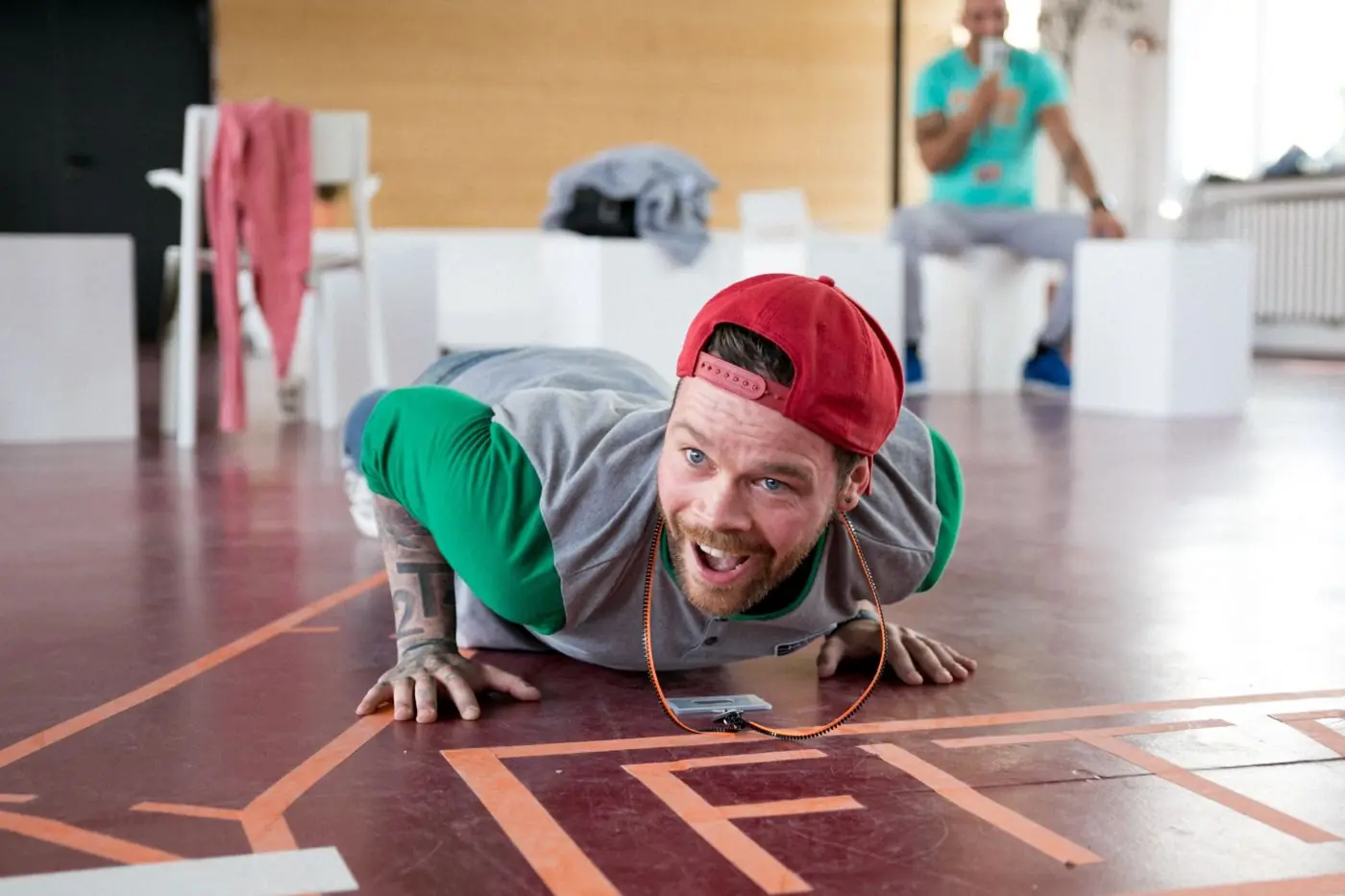
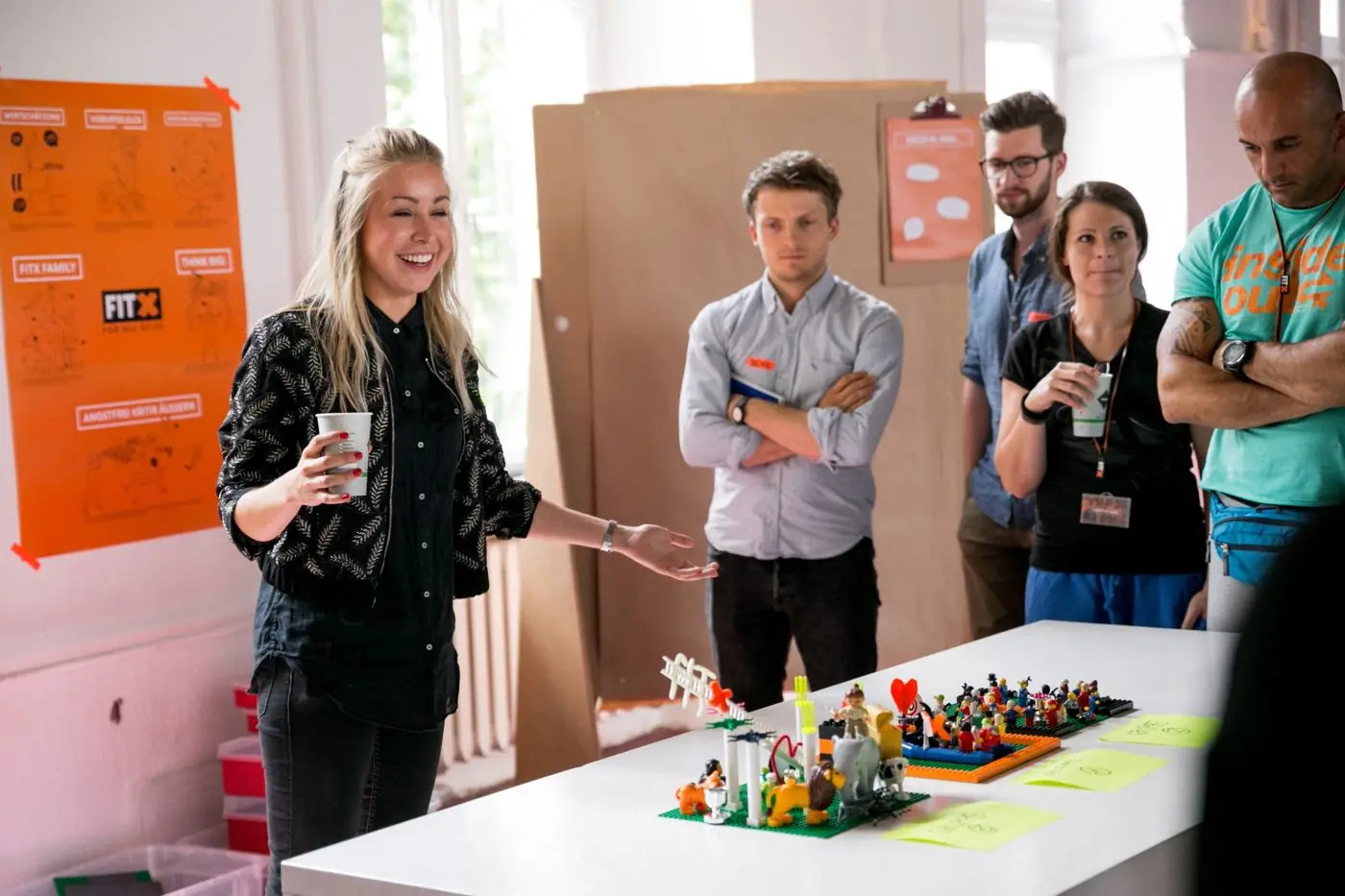
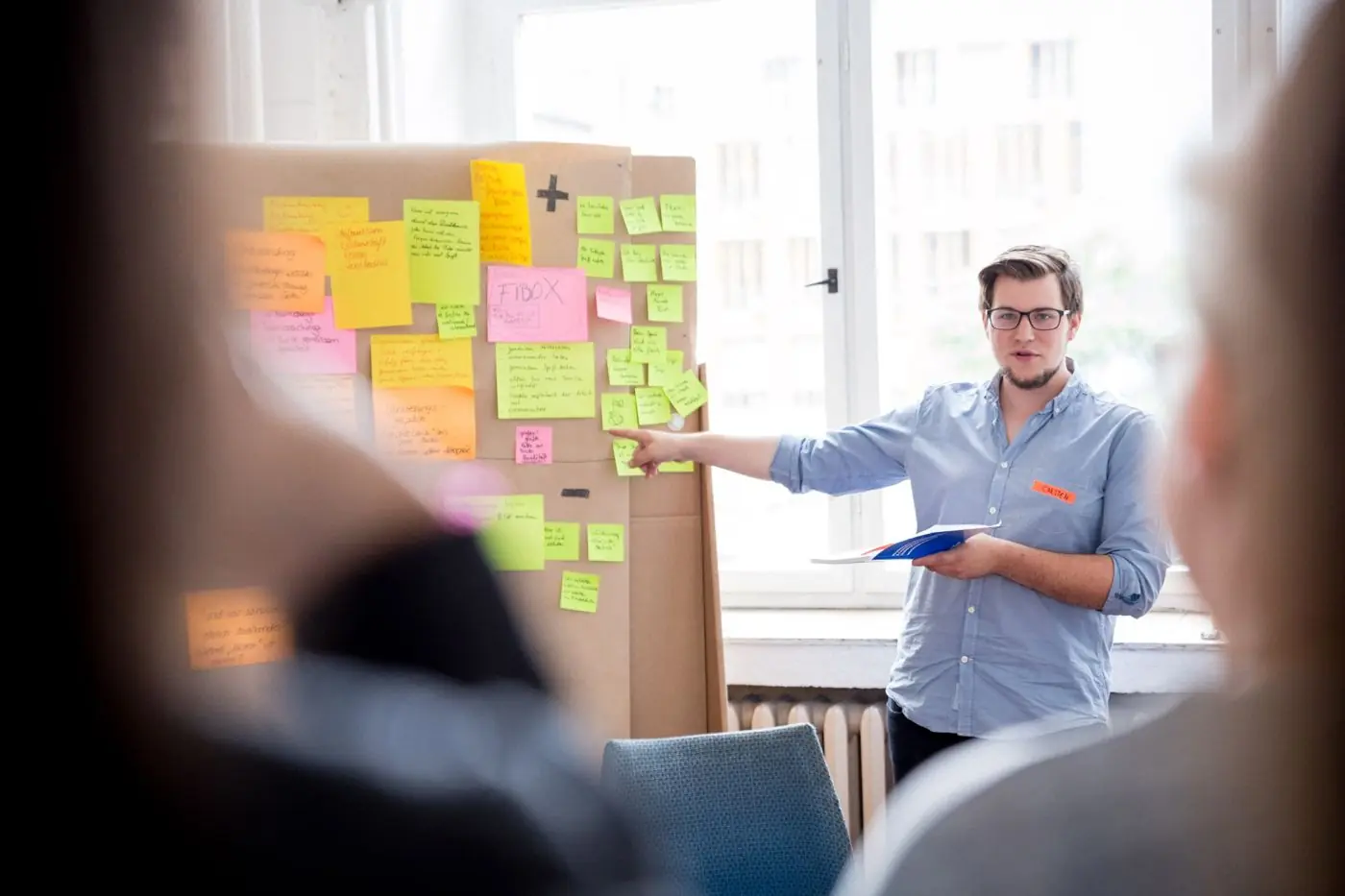
    Nur eigene Fotos aus vierzehn Jahren: Workshops, Feste, Räume. Warm, nah, gern unperfekt. Kein Stock, nichts Generiertes, keine Filter. Die Fotos stehen im Experimente-Rad zwischen den Karten, hier kommen die beiden Ordner.

    Foto-Ordner

    Für Sammlungen mit vielen Bildern. Der Deckel ist Milchglas, beim Drüberfahren lugen die Fotos raus, beim Antippen klappt er auf und die Bilder purzeln raus.

    Ordner zum Auskippen

    Wie eine bunte Tüte, die man auf einen Tisch kippt: Ein Klick auf den Ordner, und alles purzelt sofort aus der Öffnung, mit Konfetti, ohne seitliches Herausfächern vorab. Die Collage richtet ihre Größe nach der Bildschirmhöhe, damit man jedes Foto sieht. Beim Weiterscrollen treiben die Teile sacht. Noch ein Klick, und alles fliegt zurück in den Ordner.

    Antippen, und alles landet auf dem Tisch.

    Die Geschichte zum Durchscrollen.

    Unser Abschiedsbrief (Text aus „Texte“, Entwurf) in Kapiteln von 2012 bis heute, gebaut nach dem Vorbild itsasidejob.com: Kapitelzeile mit Jahr, links die Überschrift im goldenen Schnitt, die stehen bleibt, rechts der Text. Bilder fliegen mit Schatten quer durchs Bild. 2018 regnen die Kundenlogos auf eine Linie und ziehen beim Weiterscrollen seitlich heraus, 2020 klappt ein MacBook auf und jemand winkt, 2023 zählen die 73 Prozent hoch, im Kapitel „Jetzt“ färbt sich die Seite leicht rot und das Köpfchen rollt zu HRpepper. Das persönliche Statement mit der Pressemitteilung öffnet sich als eigenes Fenster über die Wolke.

    A farewell letter

    Dear everyone who was part of it,

    this is our farewell letter. After fourteen years, Intraprenör ends as an independent consultancy. Before we tell you what comes next, we want to tell you what it was like. With everything that worked. And with everything that went wrong.

    2012

    We’re the new ones!

    Berlin, 2012. Nina, Gregor, Carsten, Nico and Jonas. Five students of Social and Economic Communication at the Berlin University of the Arts. No master’s degree, no network, no experience.

    What we did have was an office: Carsten’s room in a shared flat. And the unshakeable feeling that work had to be possible differently.

    When we wanted to start a company straight out of university, our professors warned us: “Everyone who has tried that so far ended up falling out!” Our parents asked: “Wouldn’t you rather do your master’s first?”

    We founded it anyway. The domain with “Intrapreneur” was taken, and umlauts had been allowed in domain names just a week earlier. So: Intraprenör, with an o, like the German word for hairdresser, Frisör.

    On our business cards we wrote: “We’re the new ones!”

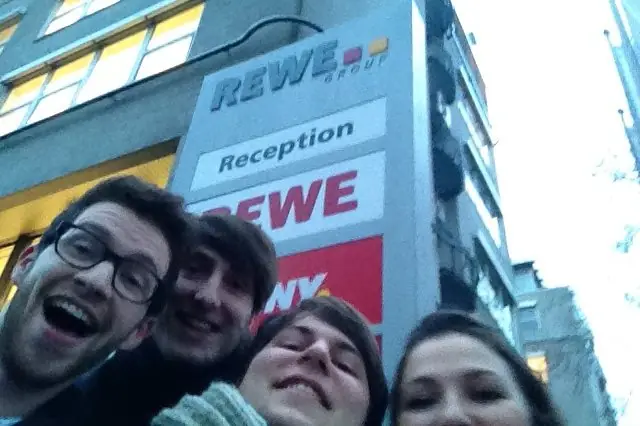
    • Working in our first office in an old Berlin building, December 2012
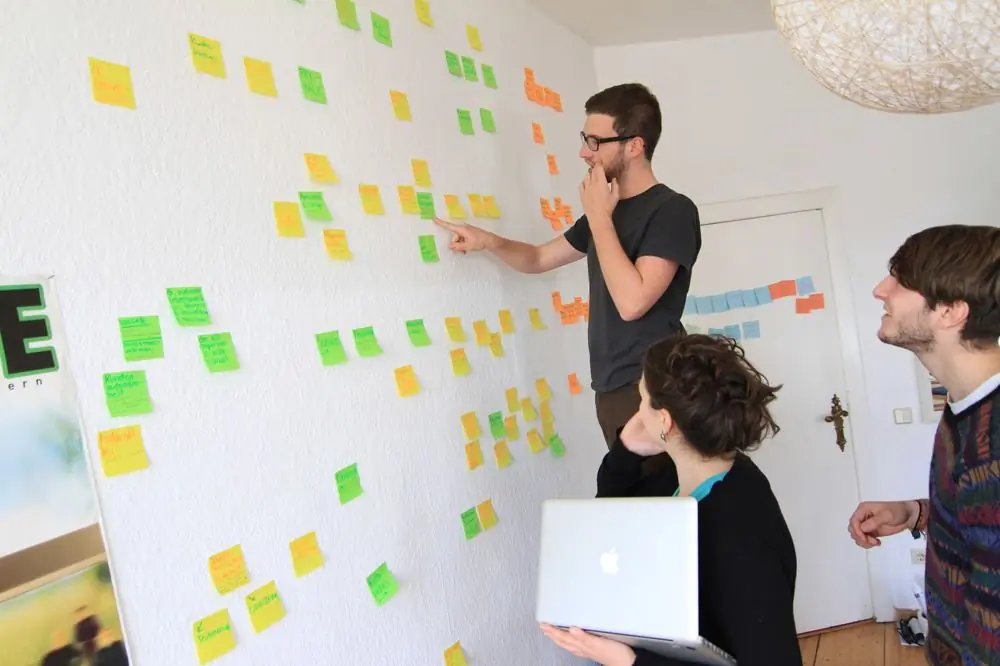
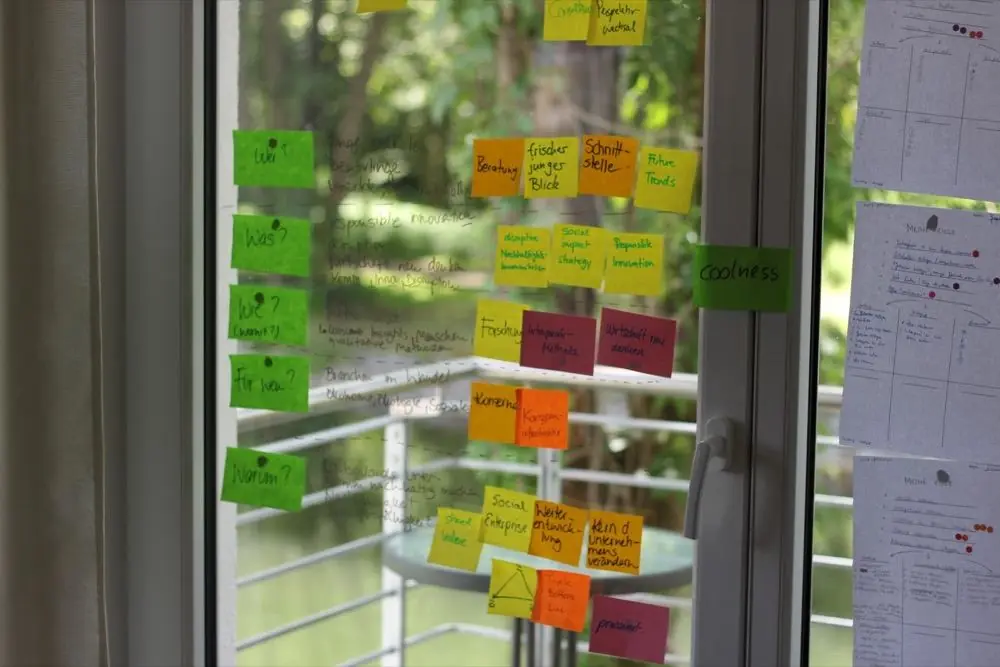
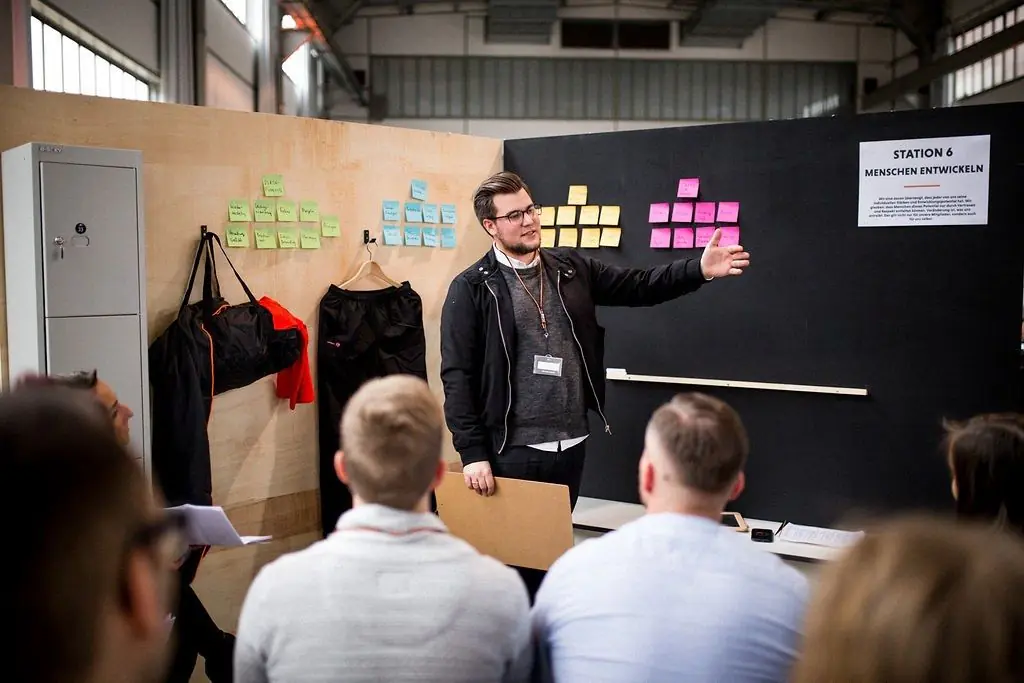
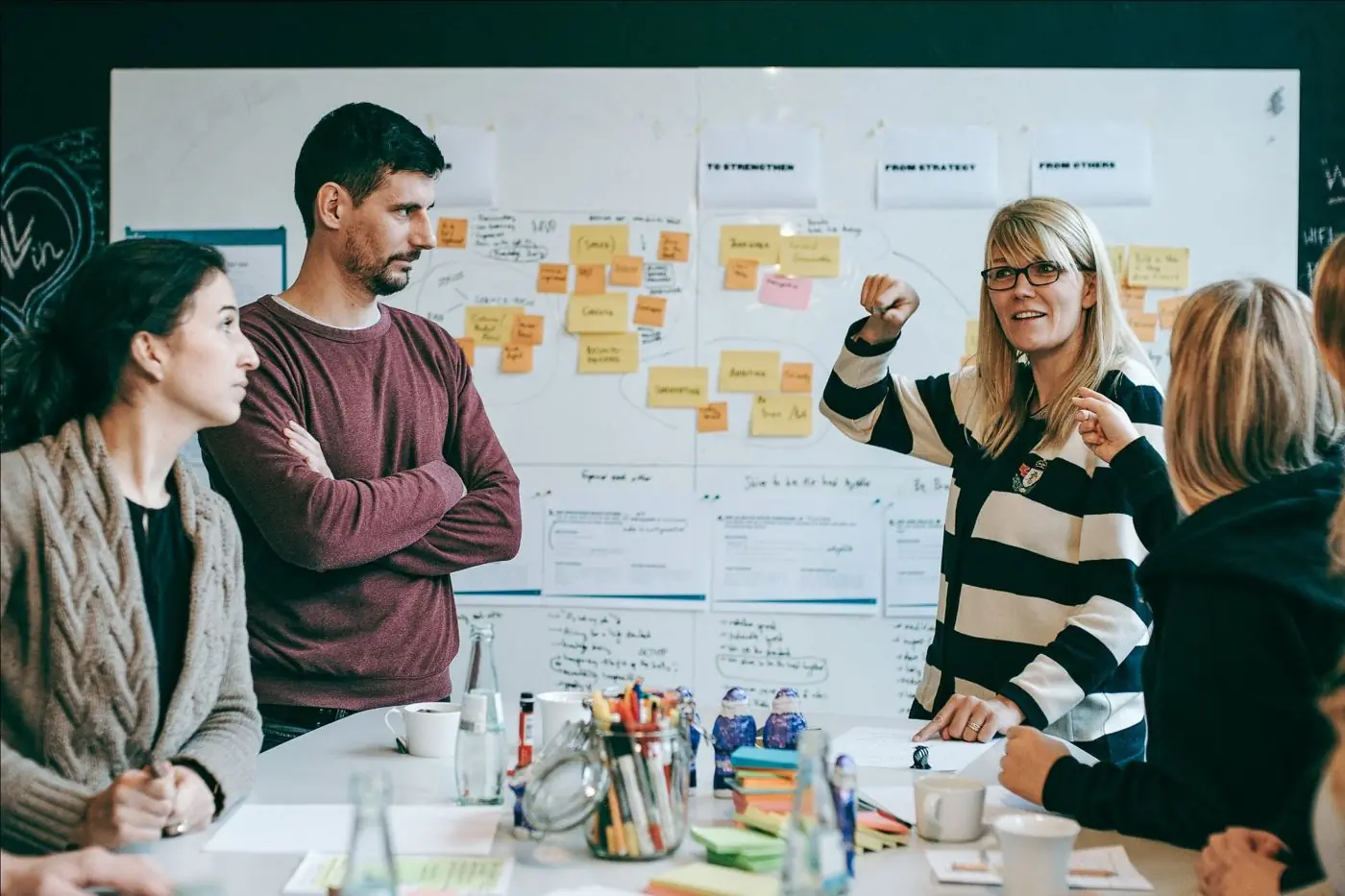
    • Wall of Post-its at an early workshop, October 2012
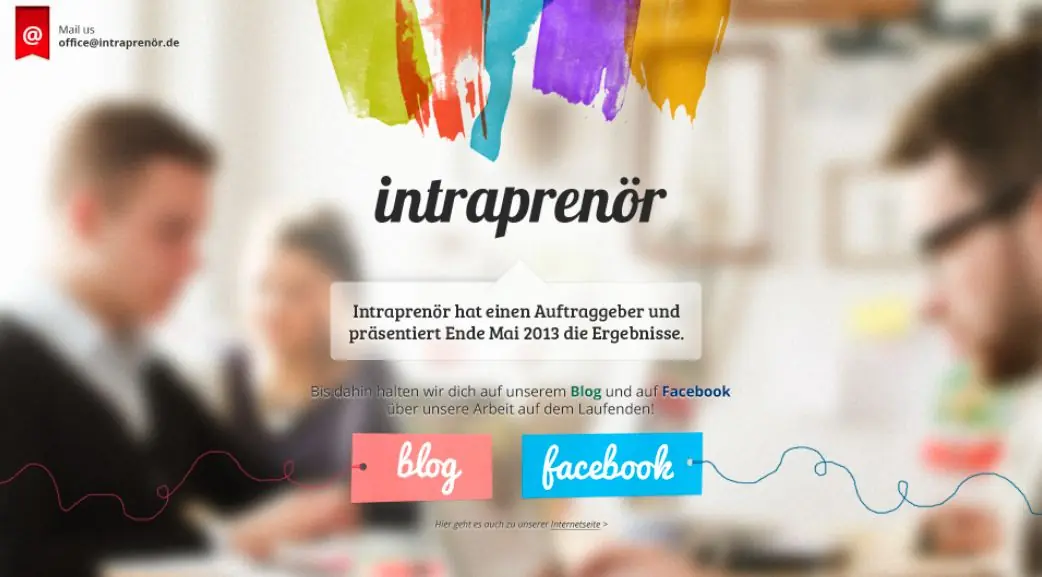
    • Our first website, December 2012
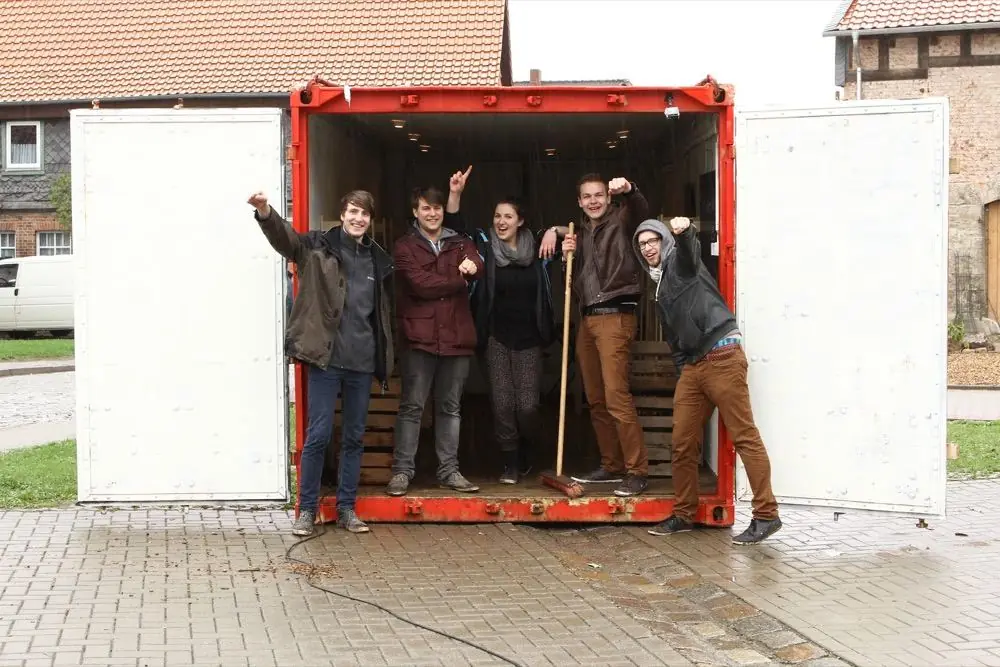
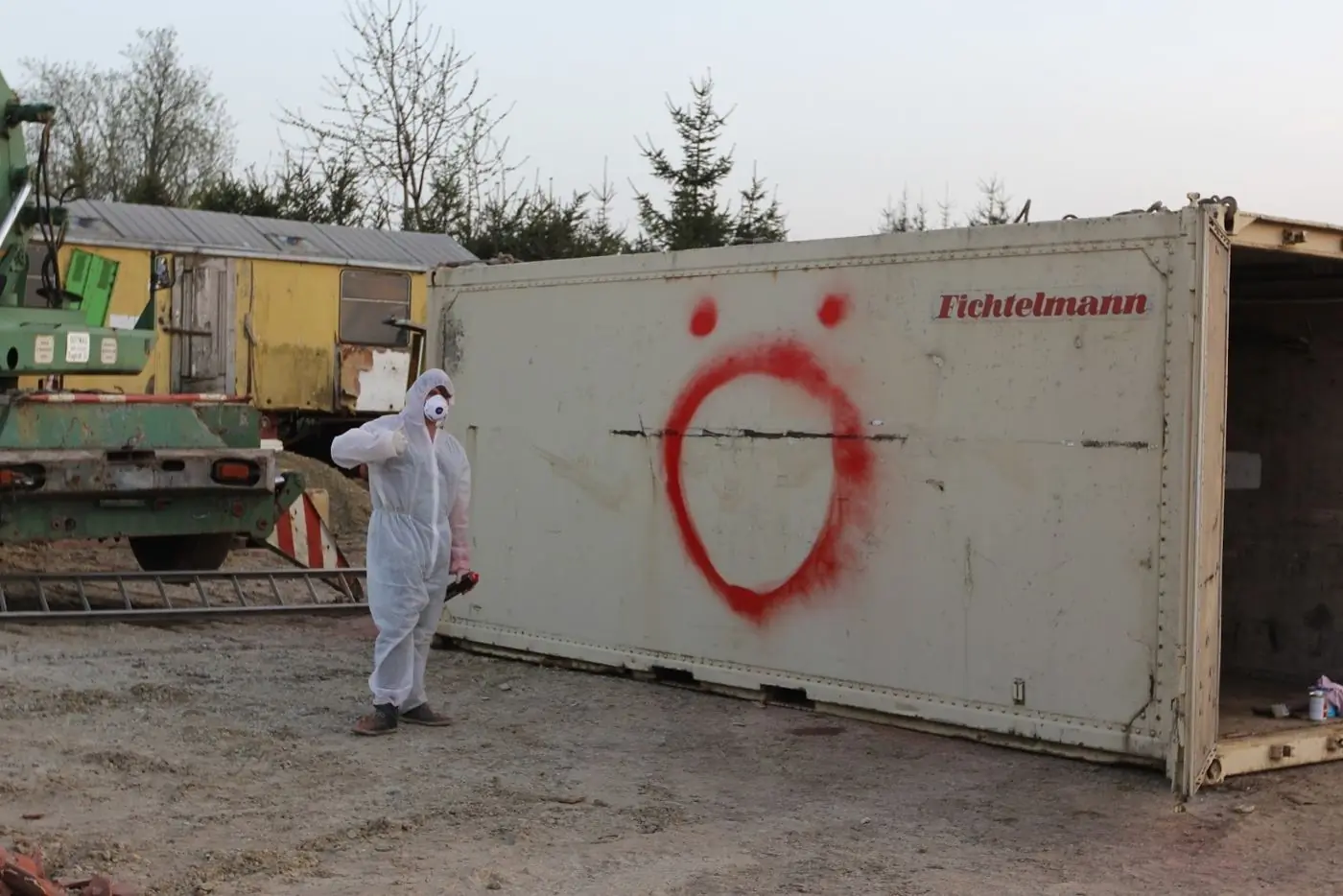
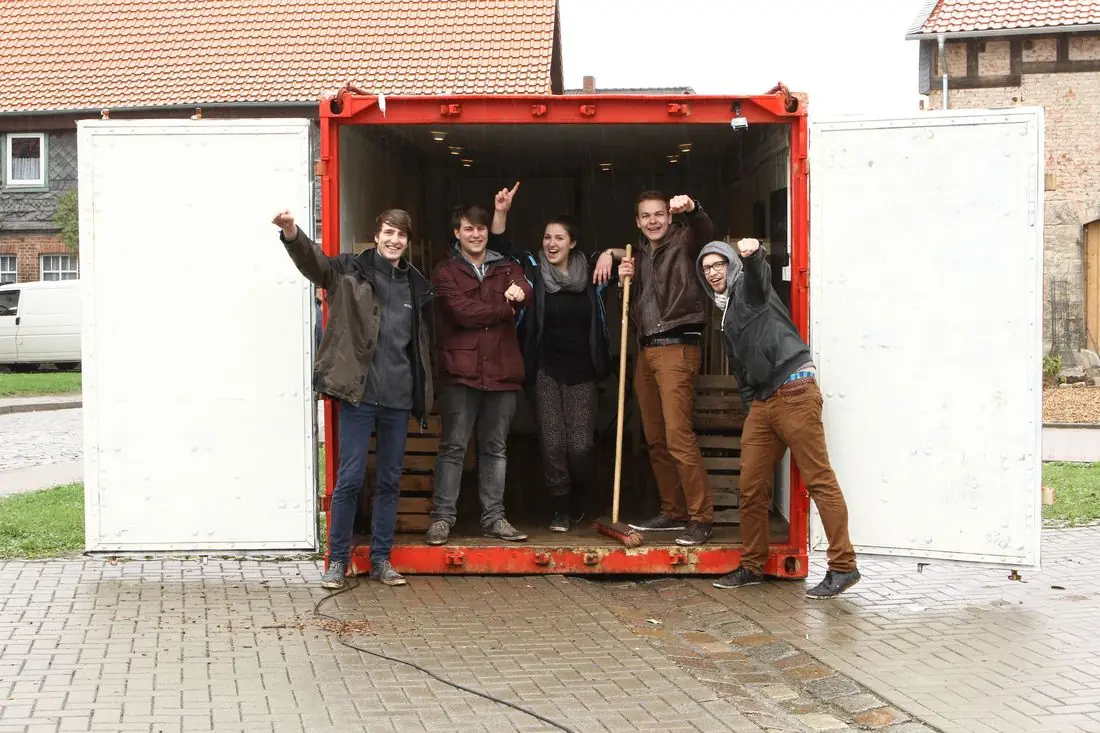
    • The team cheering in a red container, April 2013
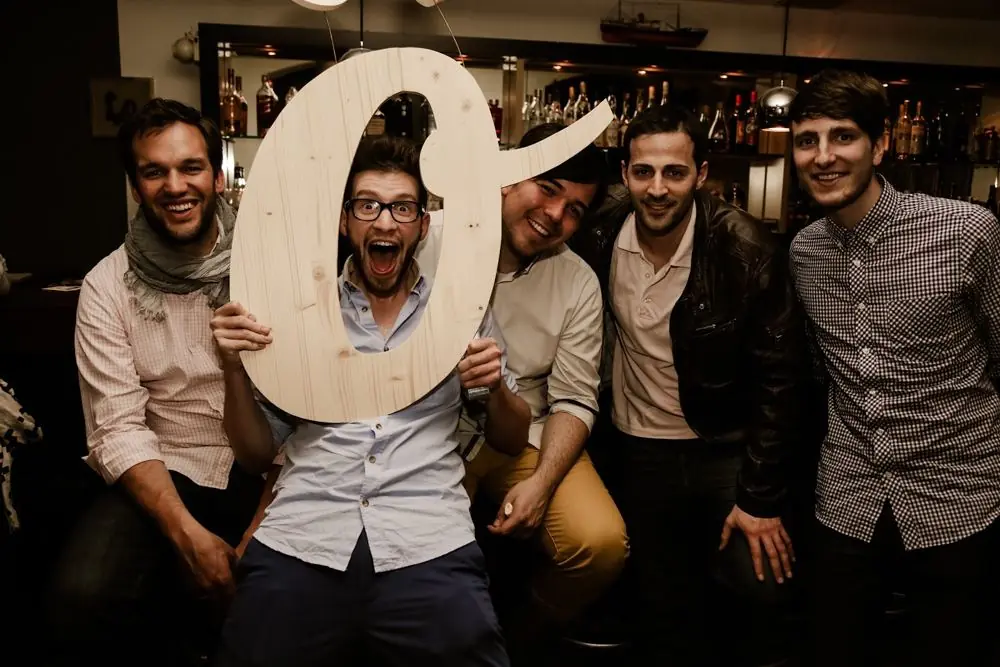
    • The team with a big wooden ö, May 2013
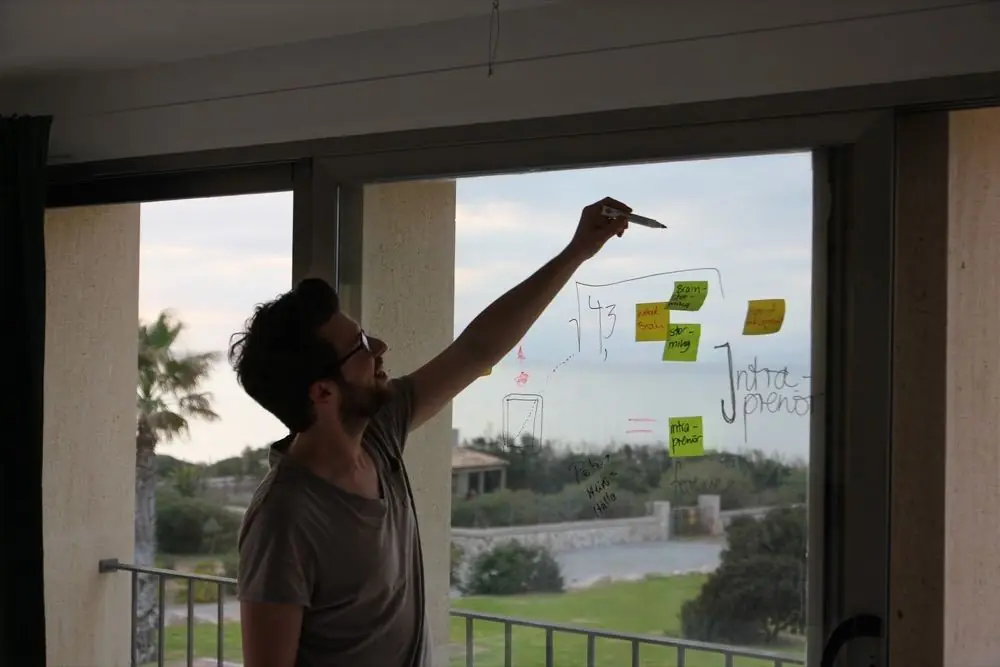
    • Post-its on a window with a lake view, retreat in June 2013
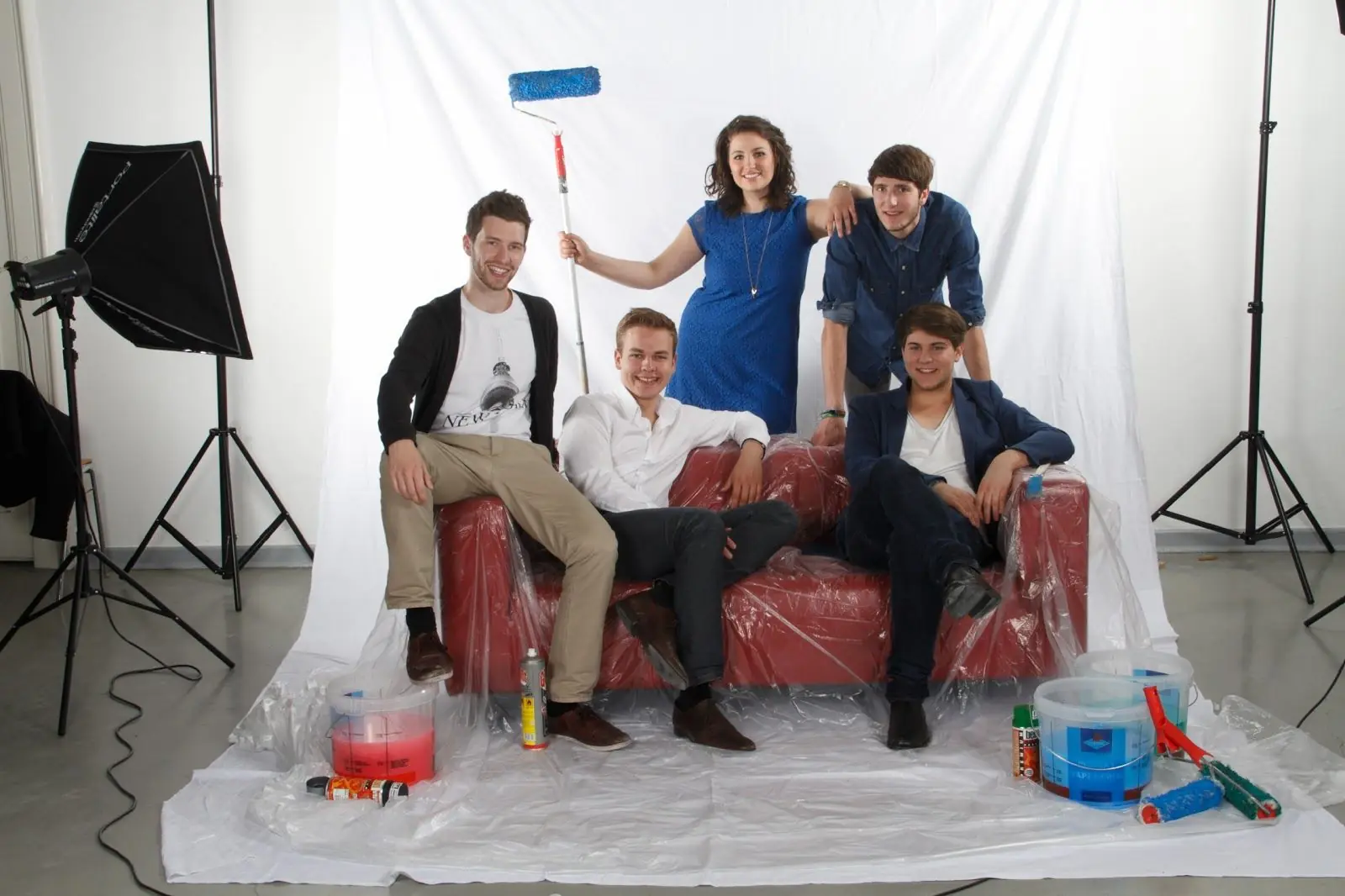
    • Behind the scenes at the founding photo shoot, June 2012
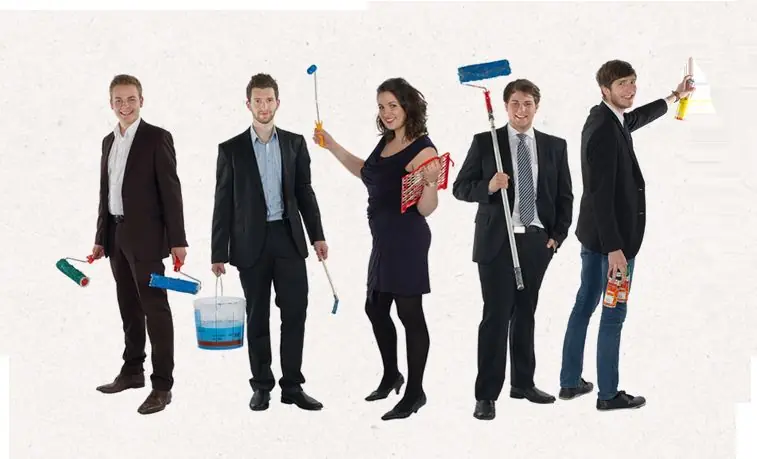
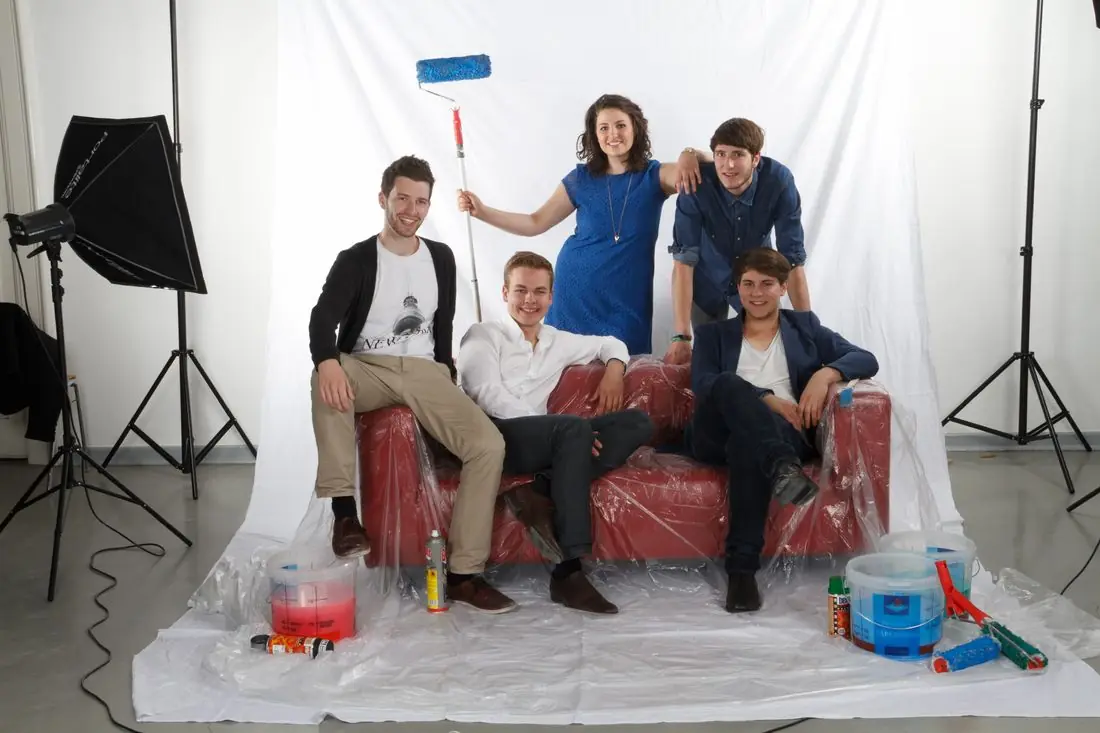
    • The founders with paint rollers, photo shoot 2012
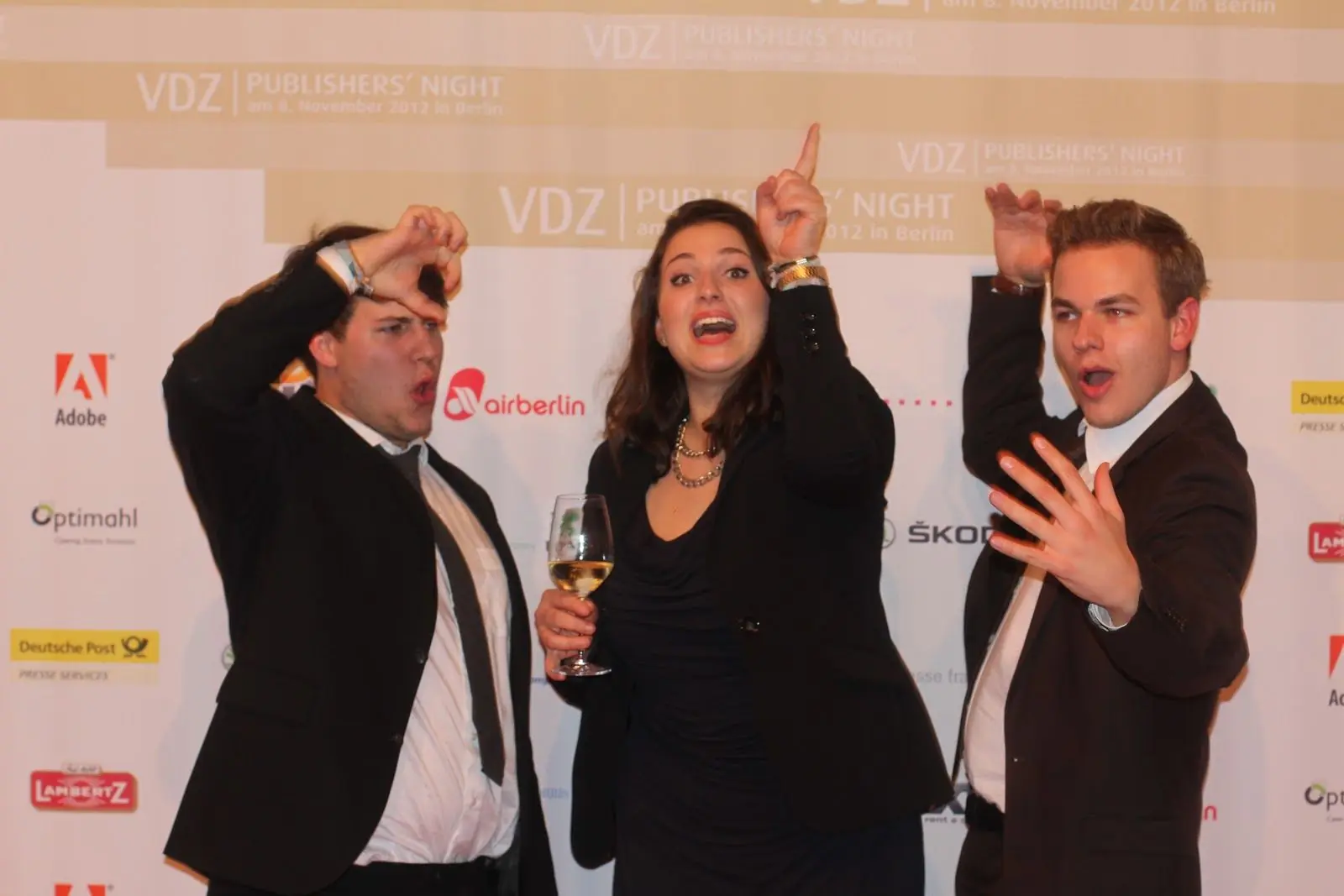
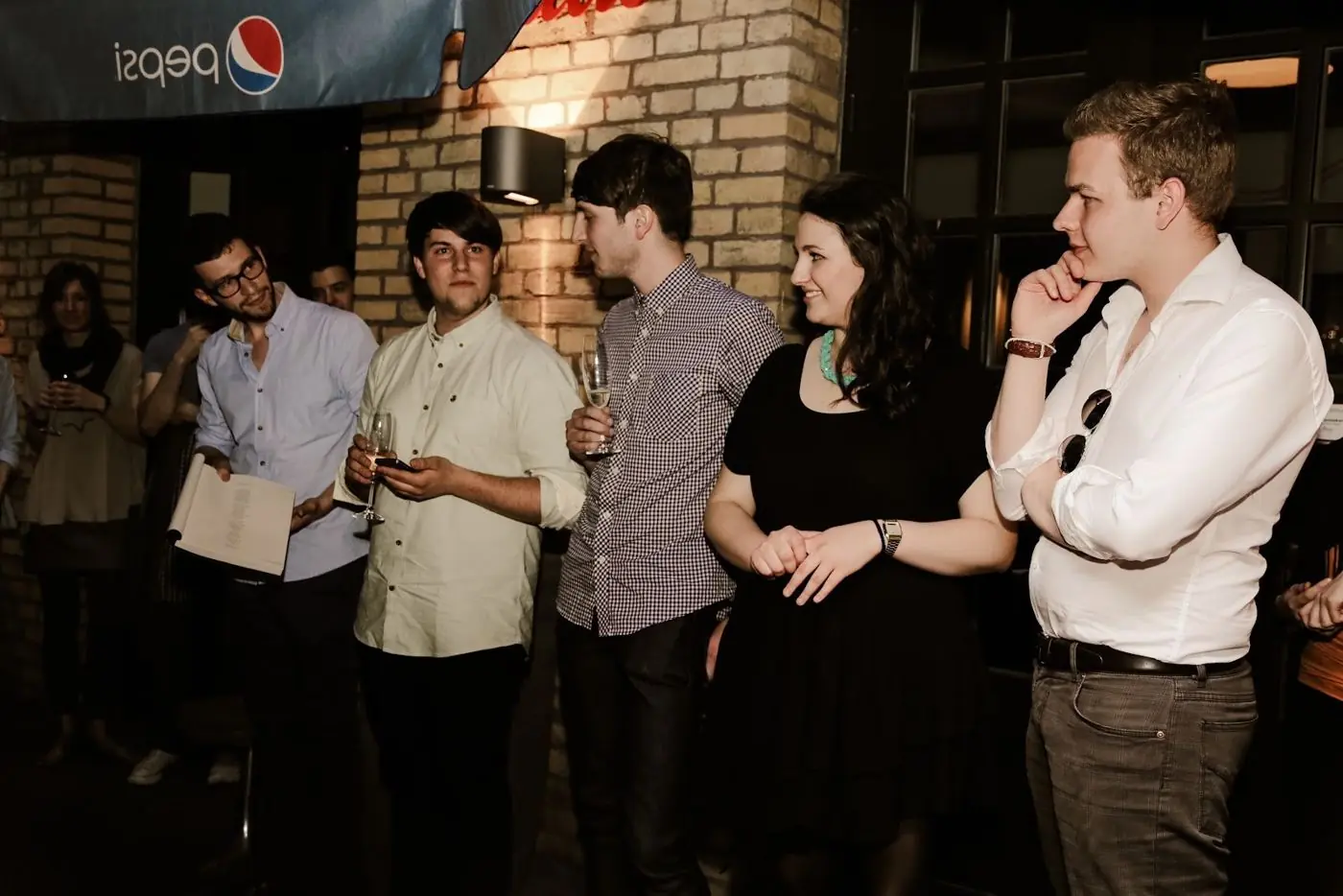
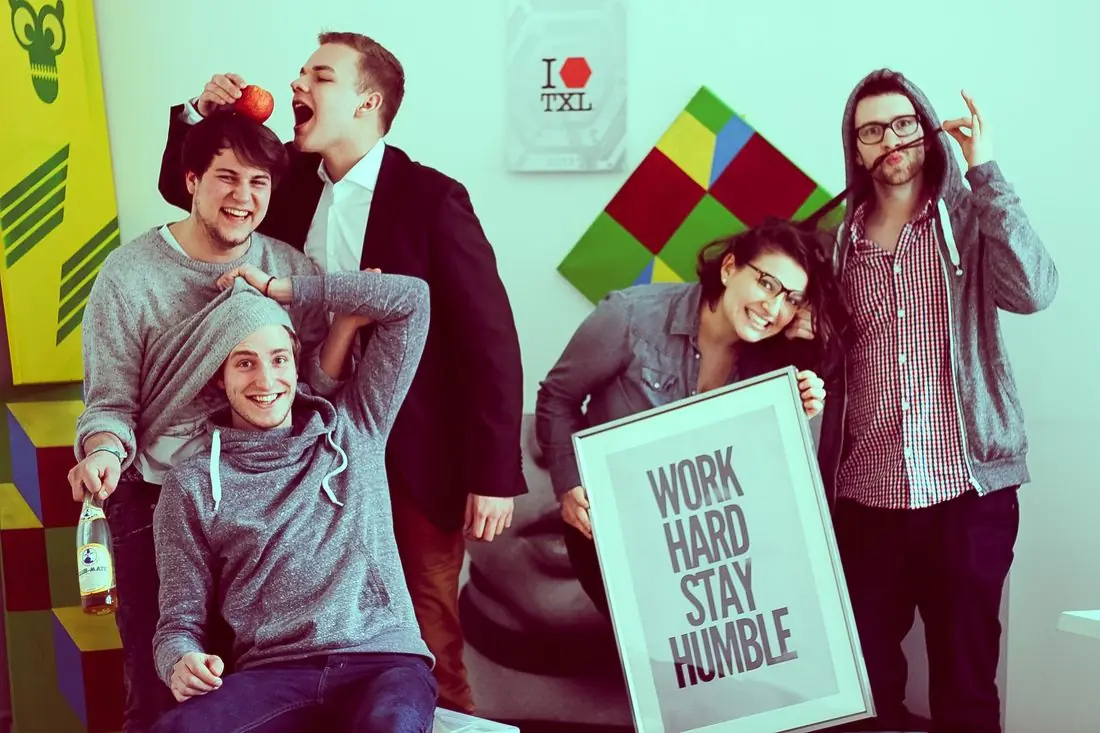
    • Fooling around at Publishers’ Night, November 2012
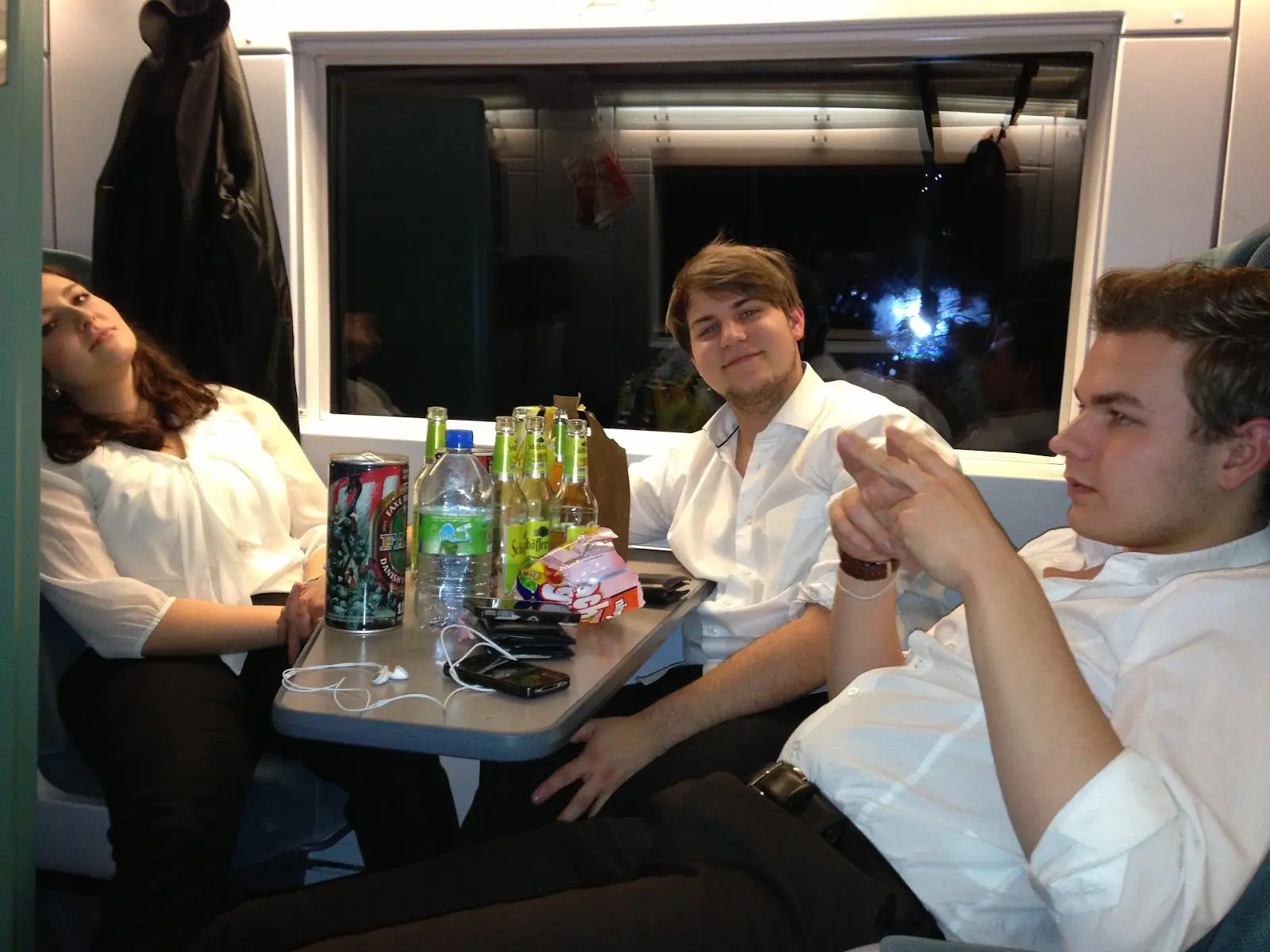
    • On the train, December 2012
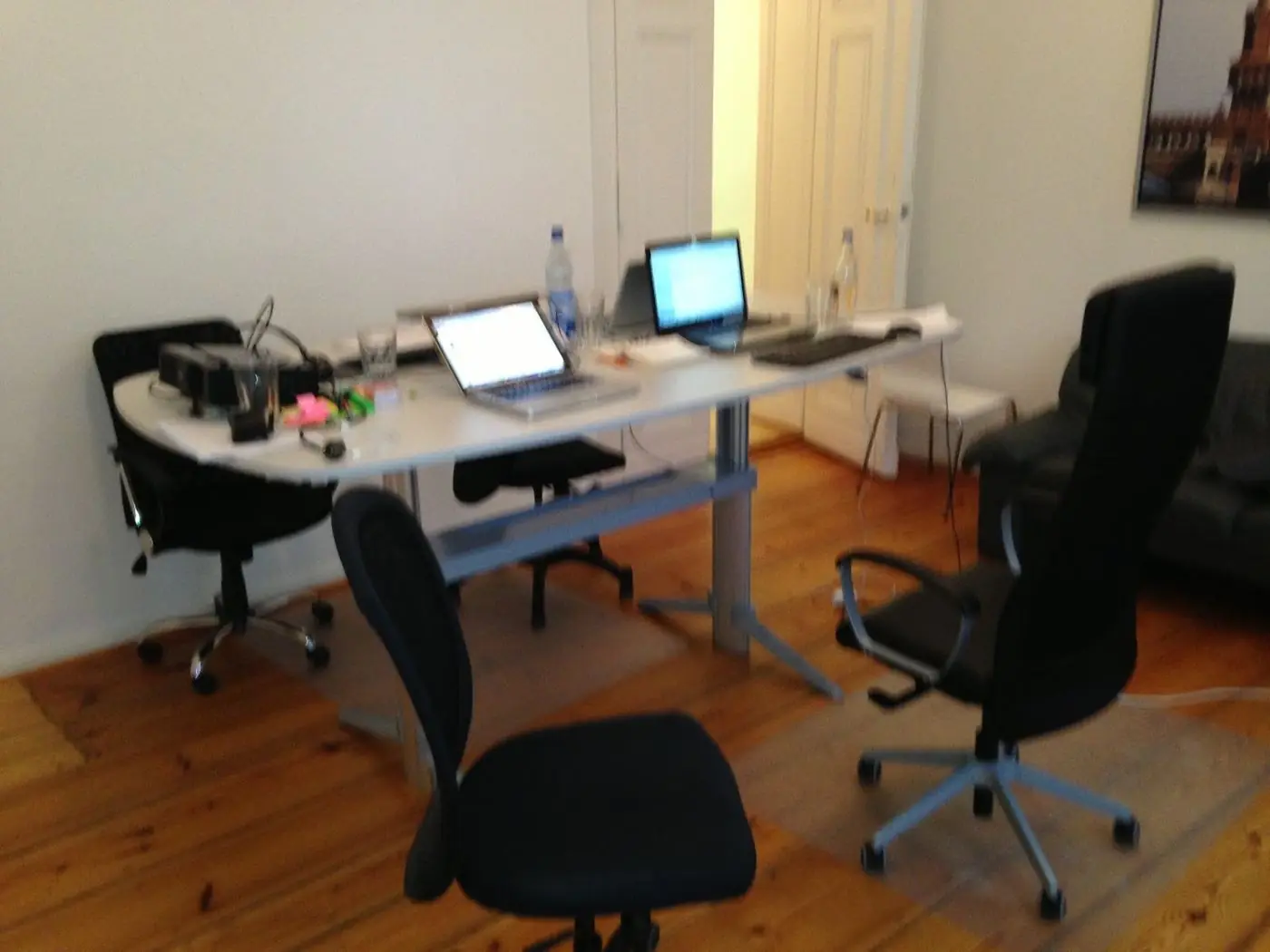
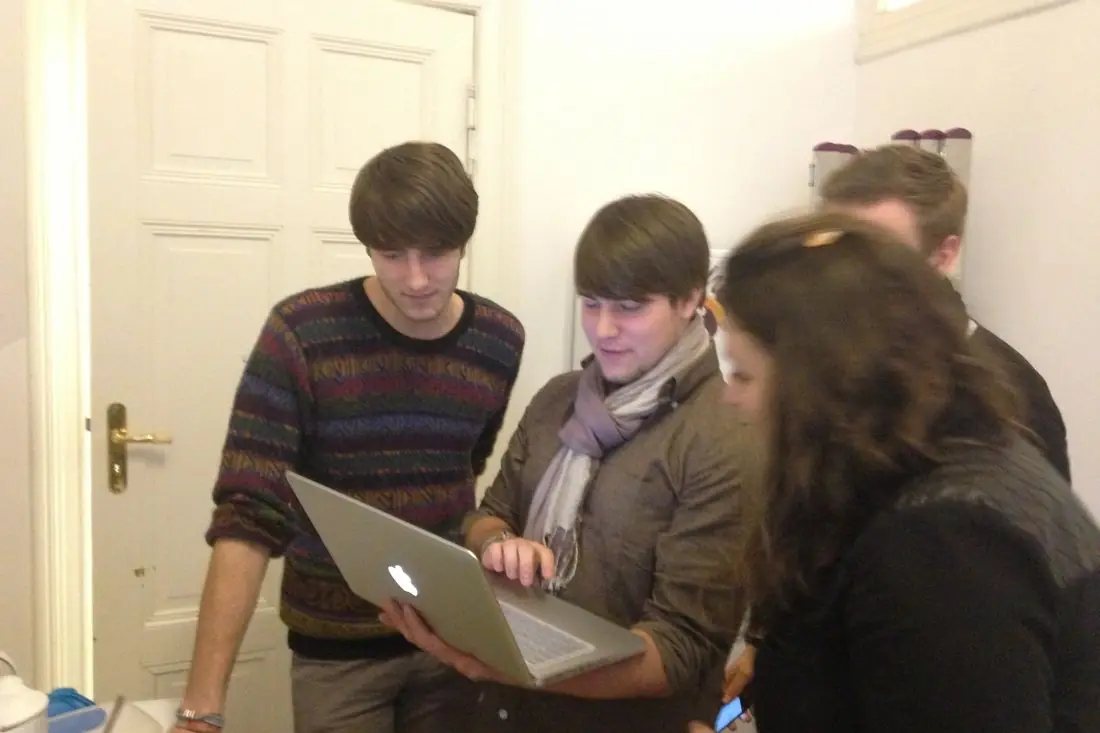
    • Working in the old office, December 2012
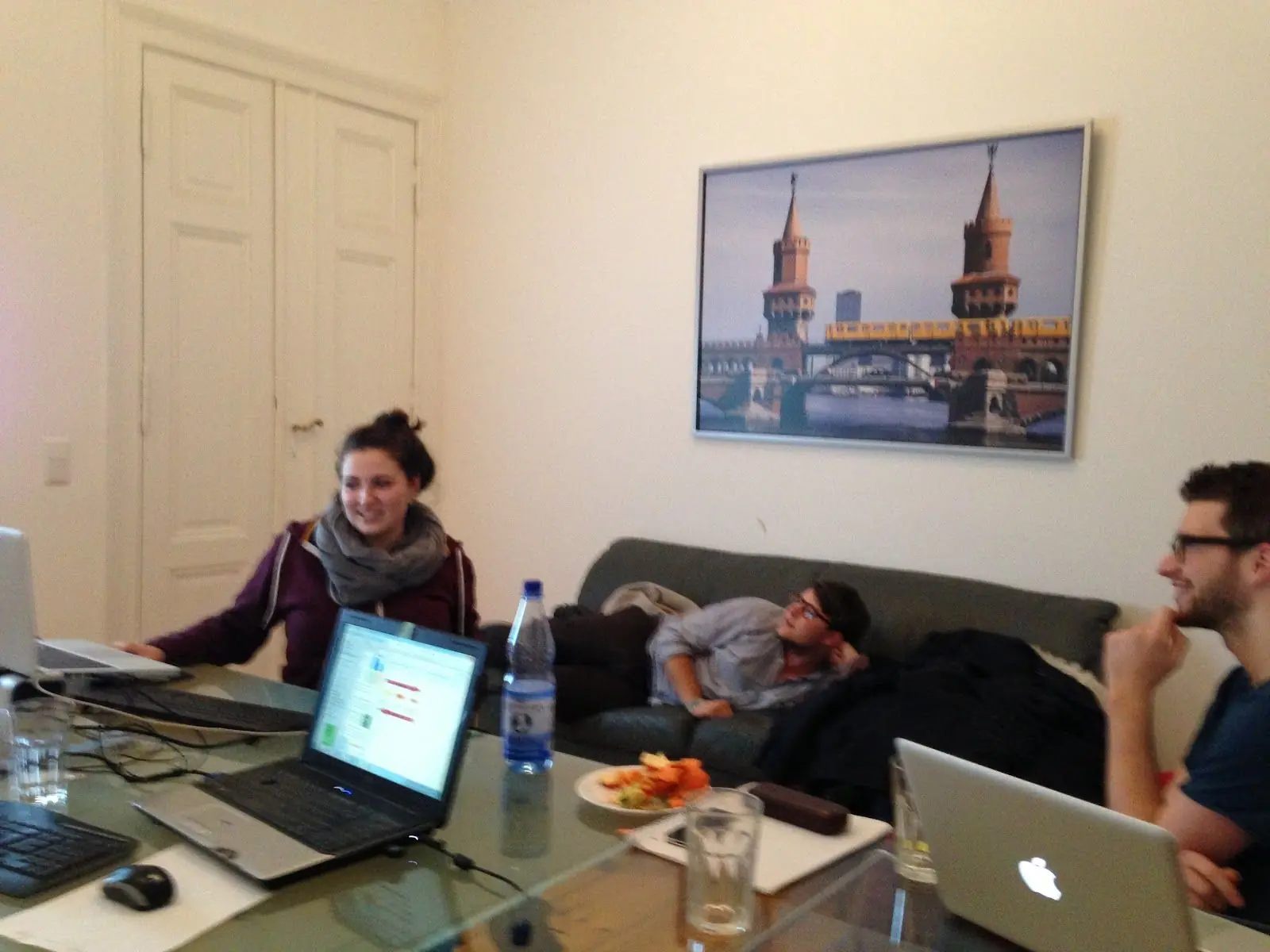
    • The furnished office with the Oberbaum Bridge on the wall, December 2012
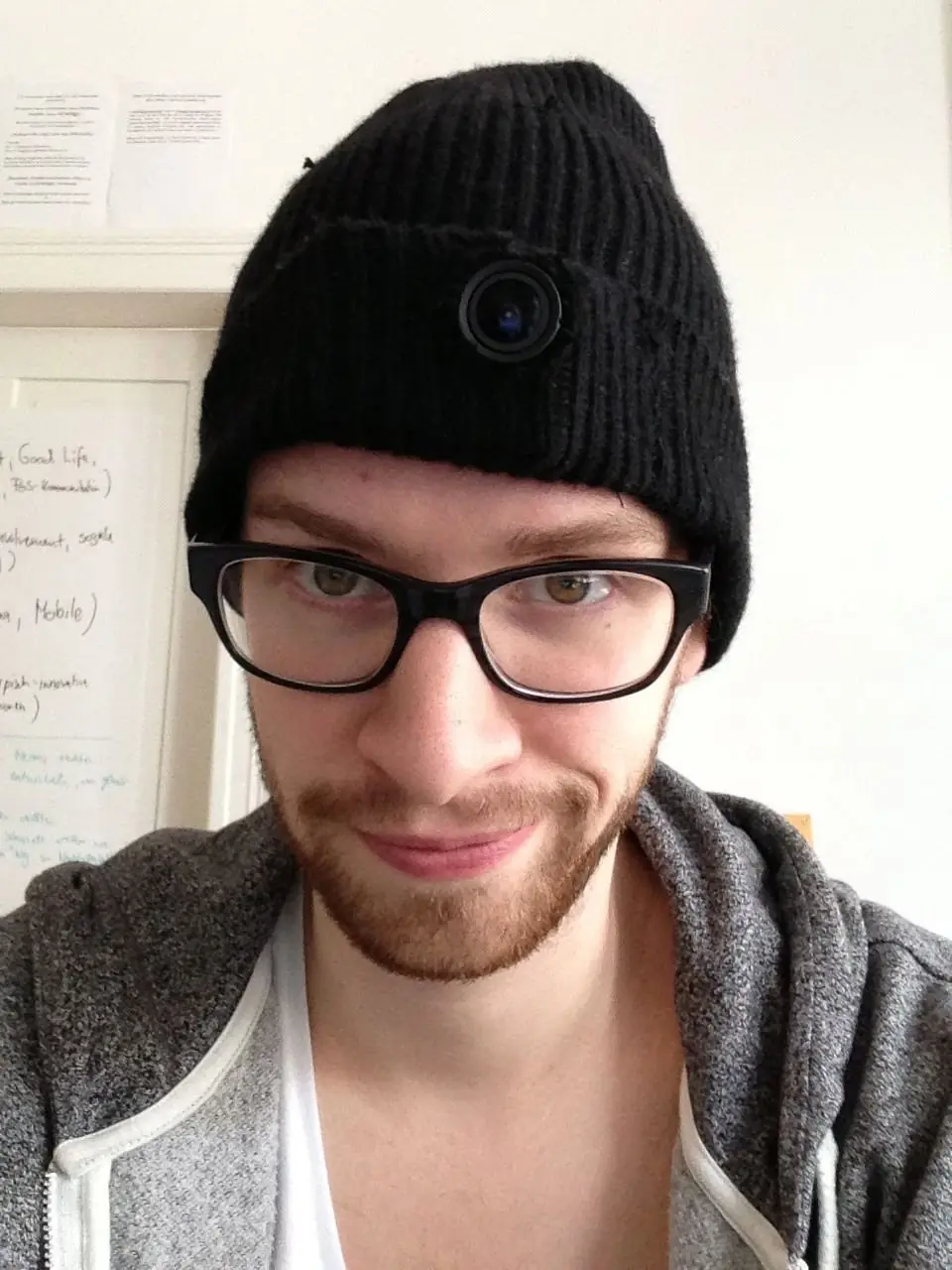
    • Building a head camera, February 2013
    • Spray-painting the container red, April 2013
    • A speech in the courtyard, May 2013
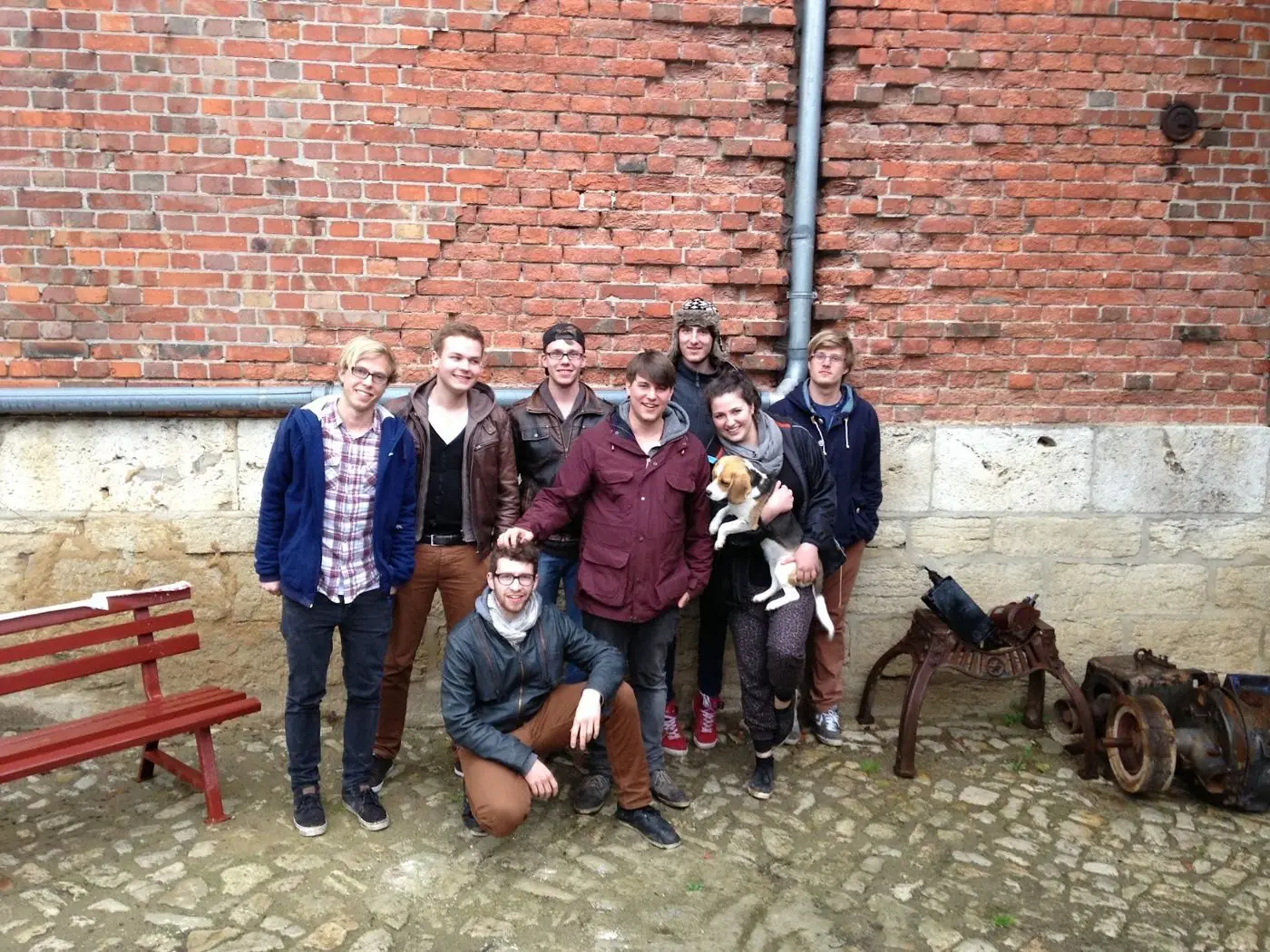
    • Group photo with a dog in front of a brick wall, 2013
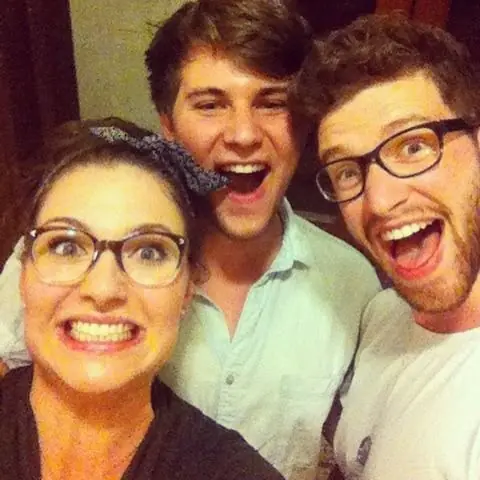
    • Selfie on the trip to the USA, August 2013
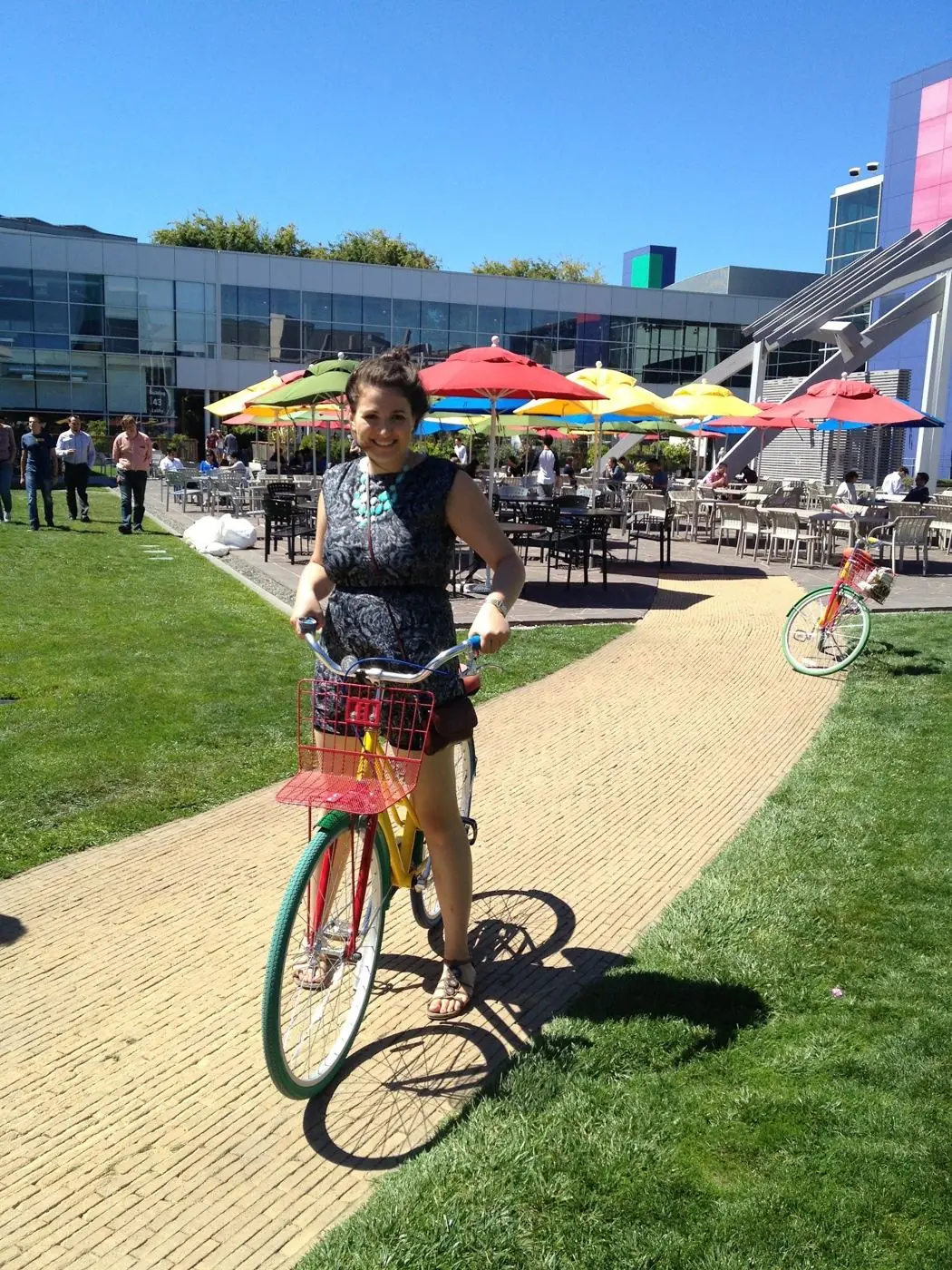
    • Cycling across the Google campus, September 2013
    2013 to 2017

    Test subjects: ourselves.

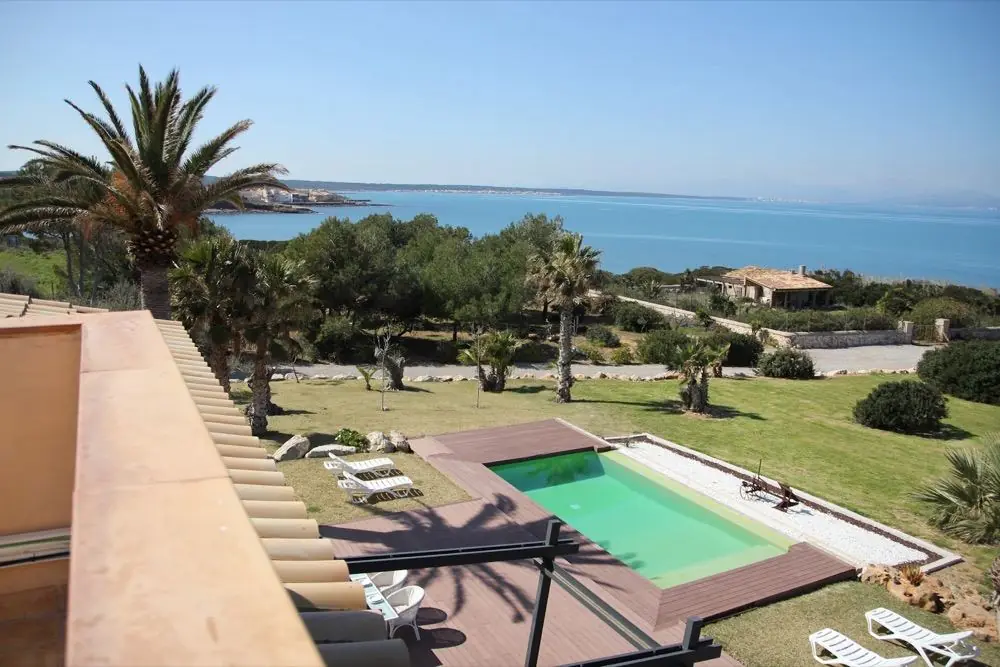
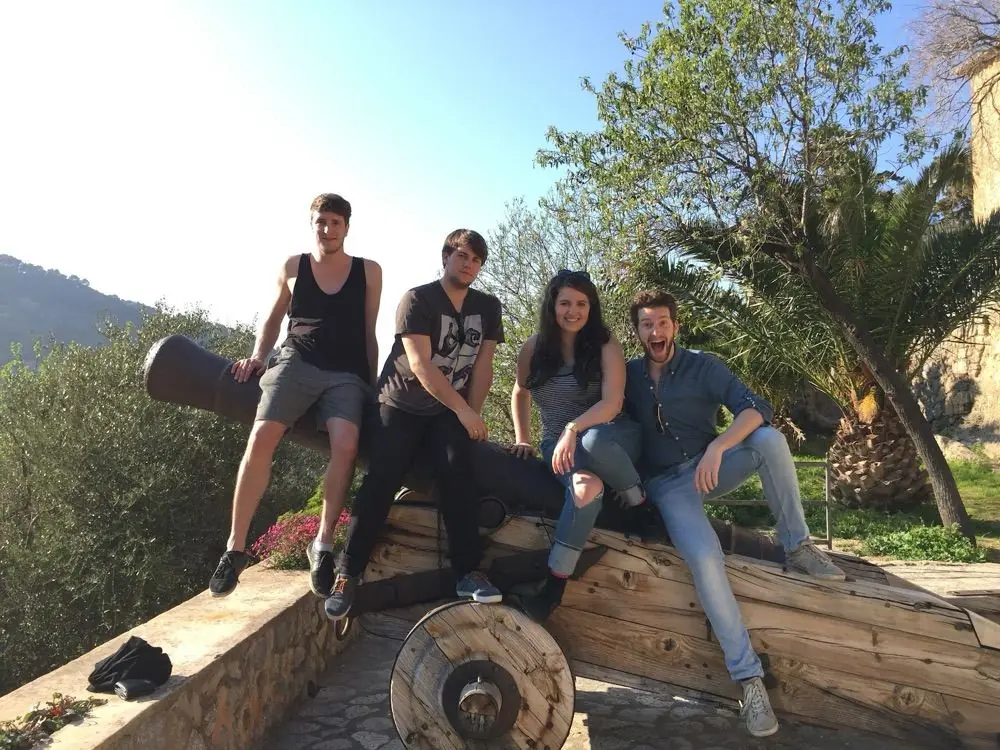
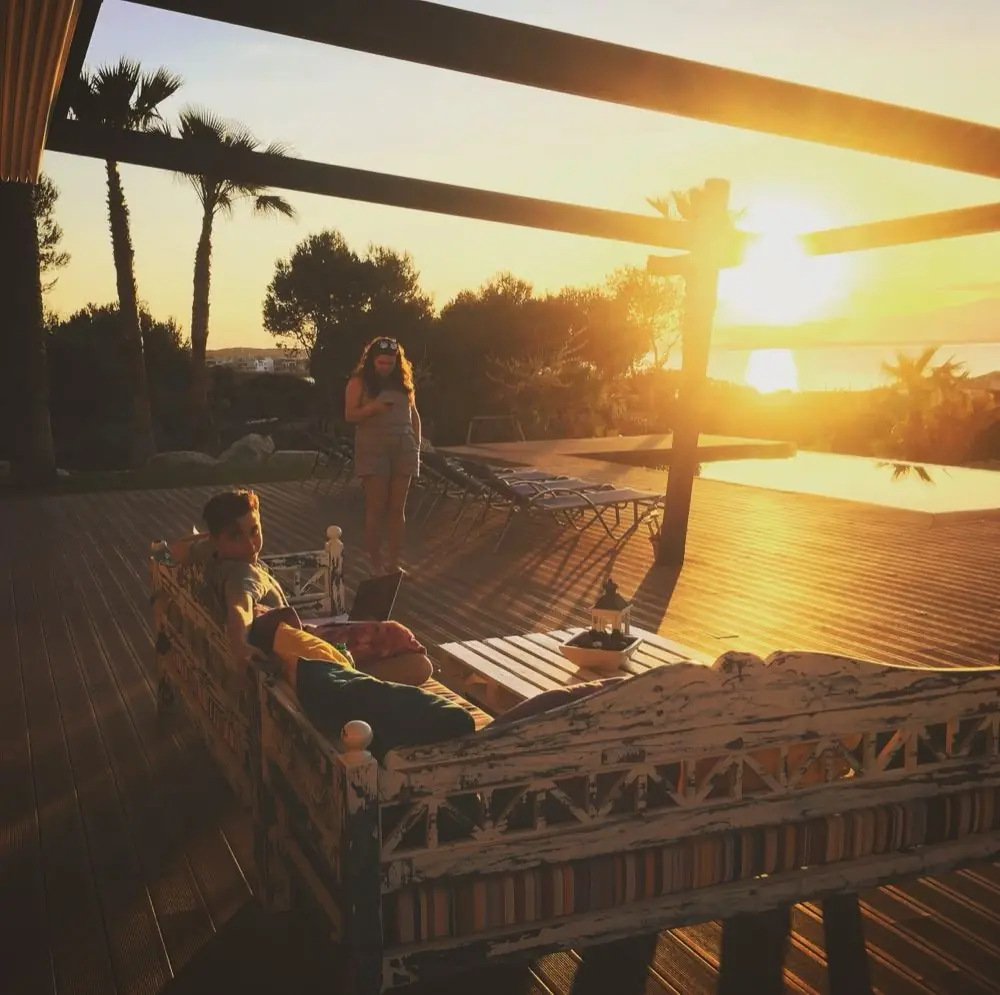
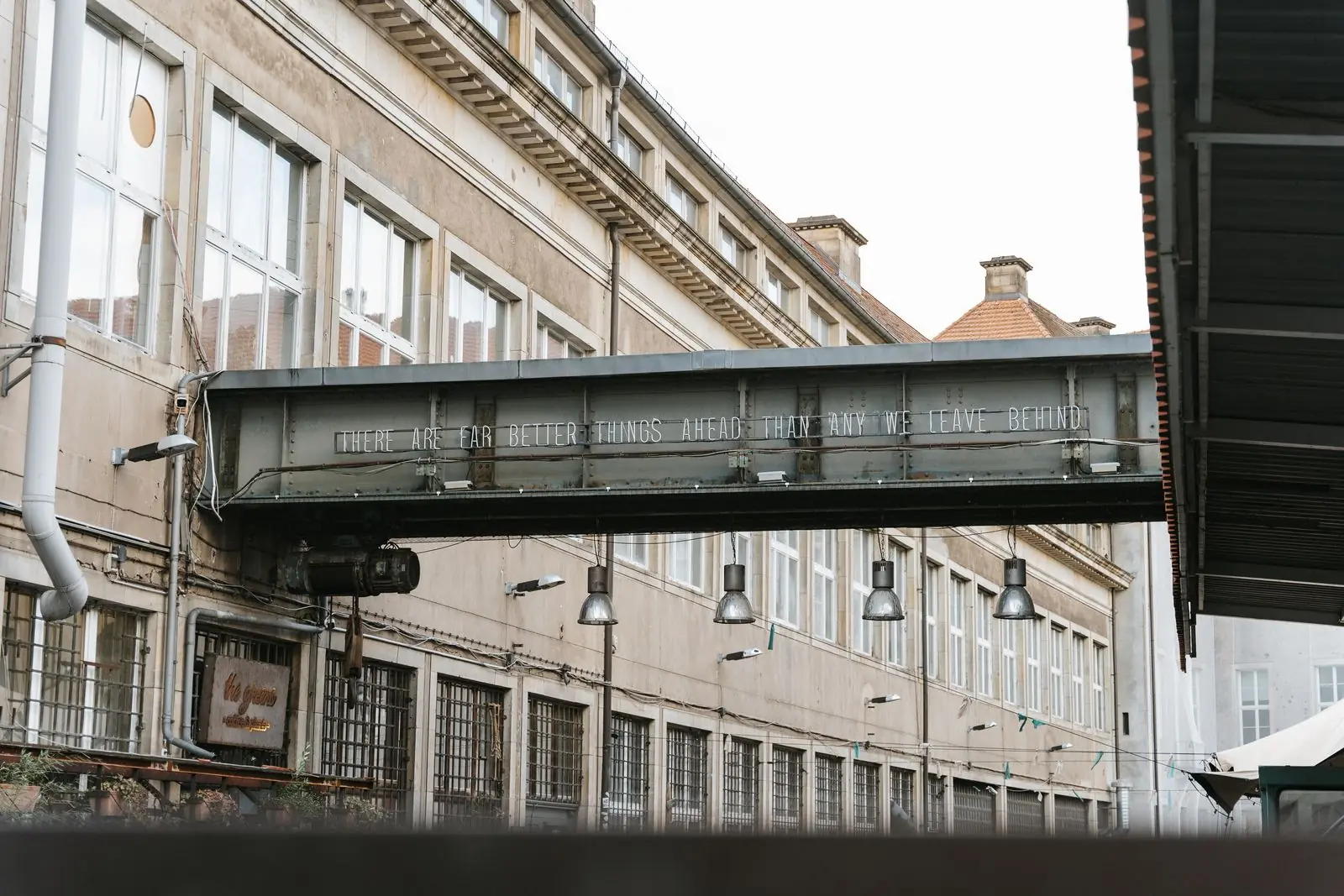
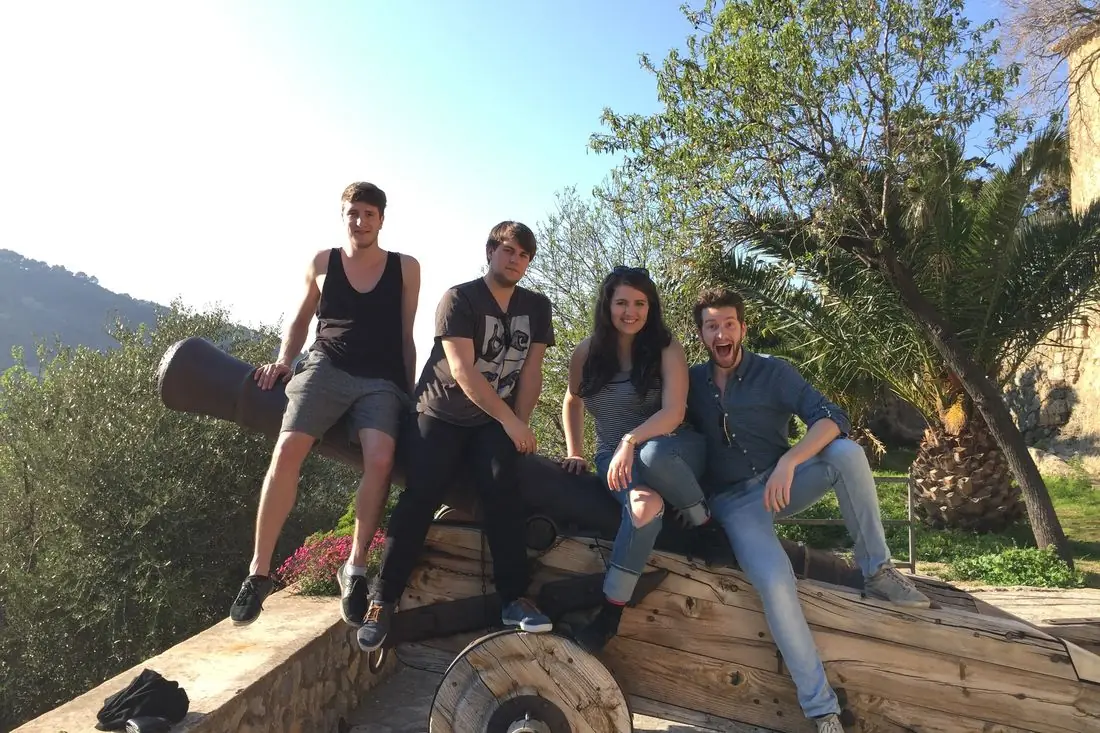
    We didn’t know how to run a company. So we tried it out, on ourselves. We were never in on Fridays, first out of pragmatism, from 2016 officially as a four-day week at full pay. In summer we closed for two months. We abolished internal email. Every February we went to Mallorca for a strategy week. Later we moved from the startup loft on Torstraße to the Alte Münze, right into one of the last open spaces in Berlin, and built our own studio there.

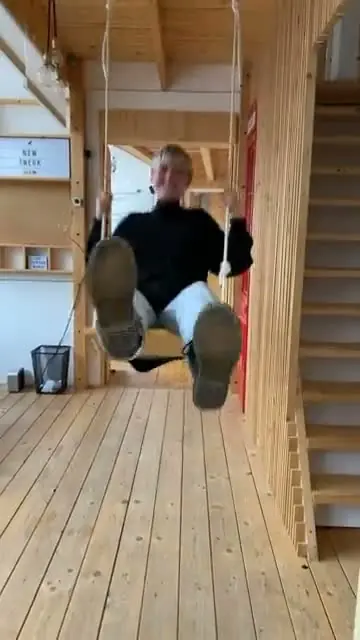
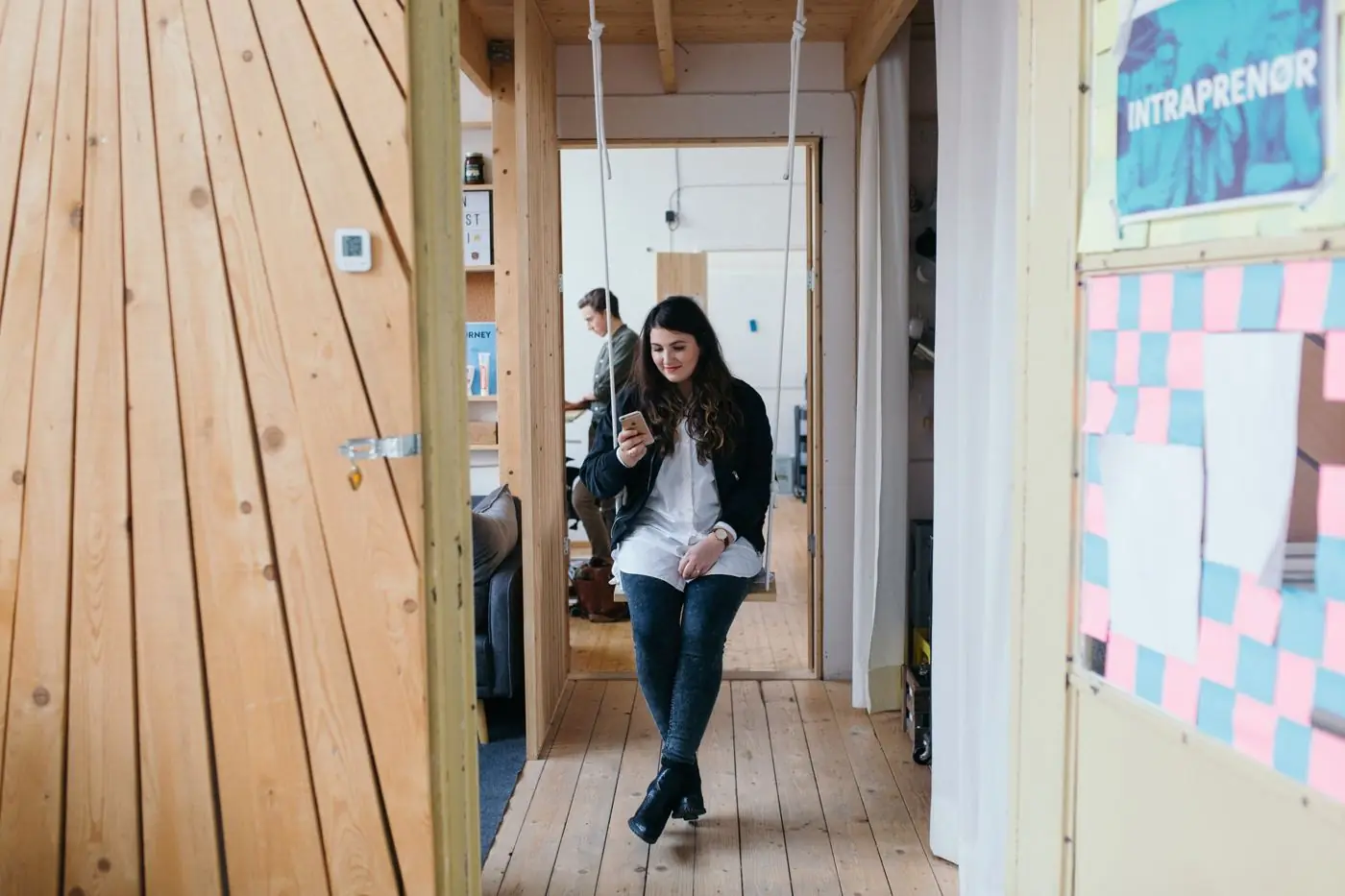
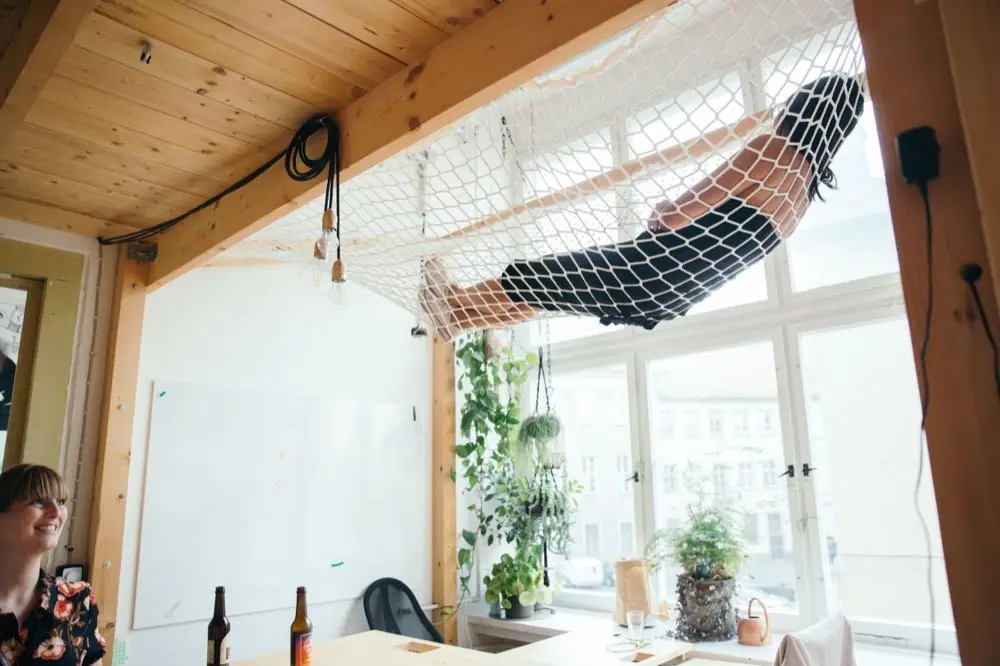
    At the same time, top managers took off their jackets and came to us on startup safaris to understand “Generation Y”. In our self-built office there was a swing everyone wanted a photo on. Every time, the wooden beam creaked a little. Luckily, nothing ever happened.

    2018 to 2020

    Holidays at number one in the work charts.

    From that room in a shared flat we were now advising international corporations from Germany, family-run mid-sized companies and growing scale-ups. In 2018 the jury of the XING New Work Award called us onto the stage. We defined success not by maximum profit but by maximum flexibility, the laudation said. In 2019 the HR Excellence Awards named us “HR Consultancy of the Year”, and in 2020 TOP CONSULTANT followed. We beamed and marvelled, because suddenly someone took seriously what we had started out of defiance.

    Sometimes you have to go a little too far so that others start moving at all. And sometimes you simply go too far. Where clients wanted a bit of inspiration, we gave them a whole operating system. Radically thought through, radically off the mark. That’s part of it too.

    2020 to 2022

    Working from home for everyone. Overnight.

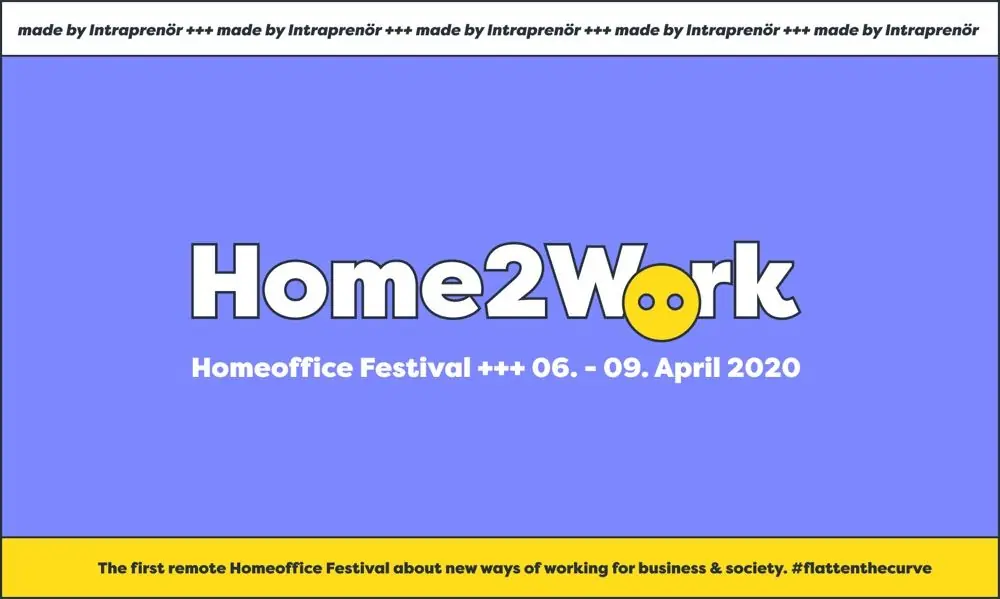
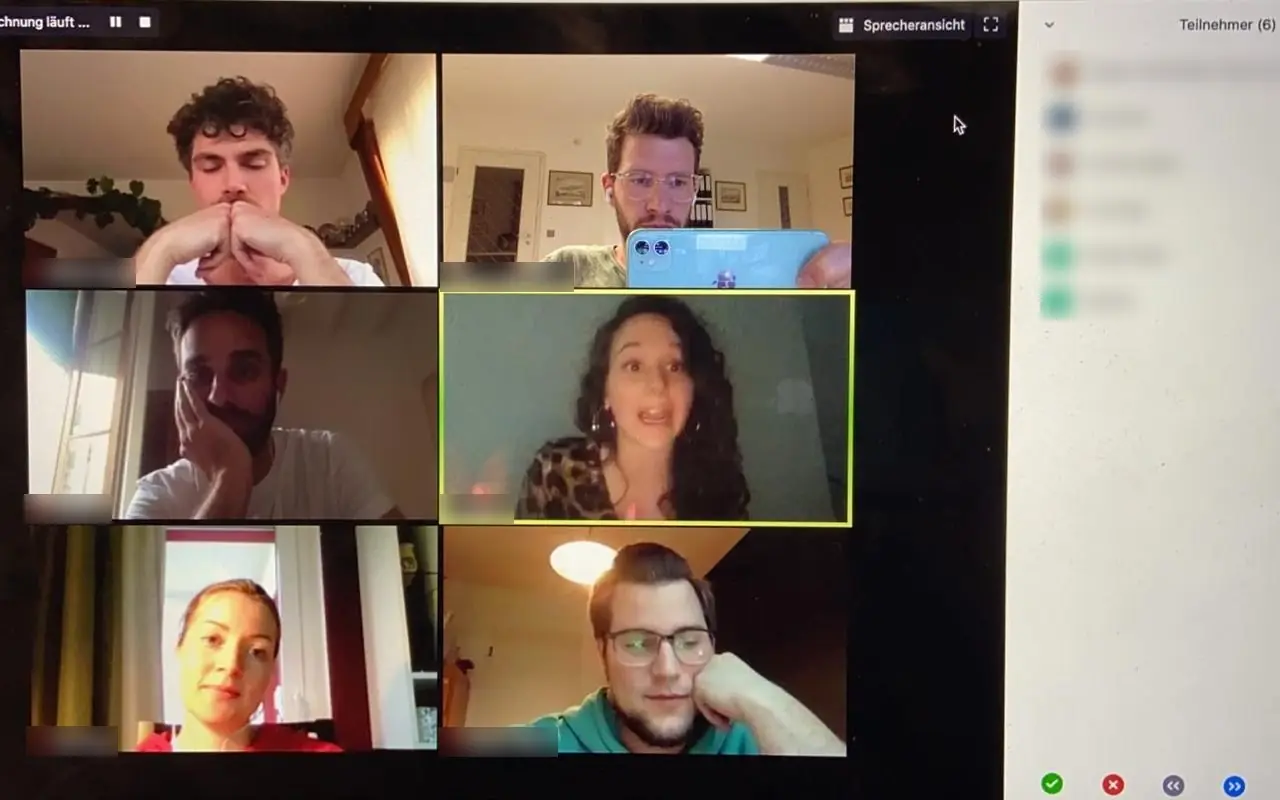
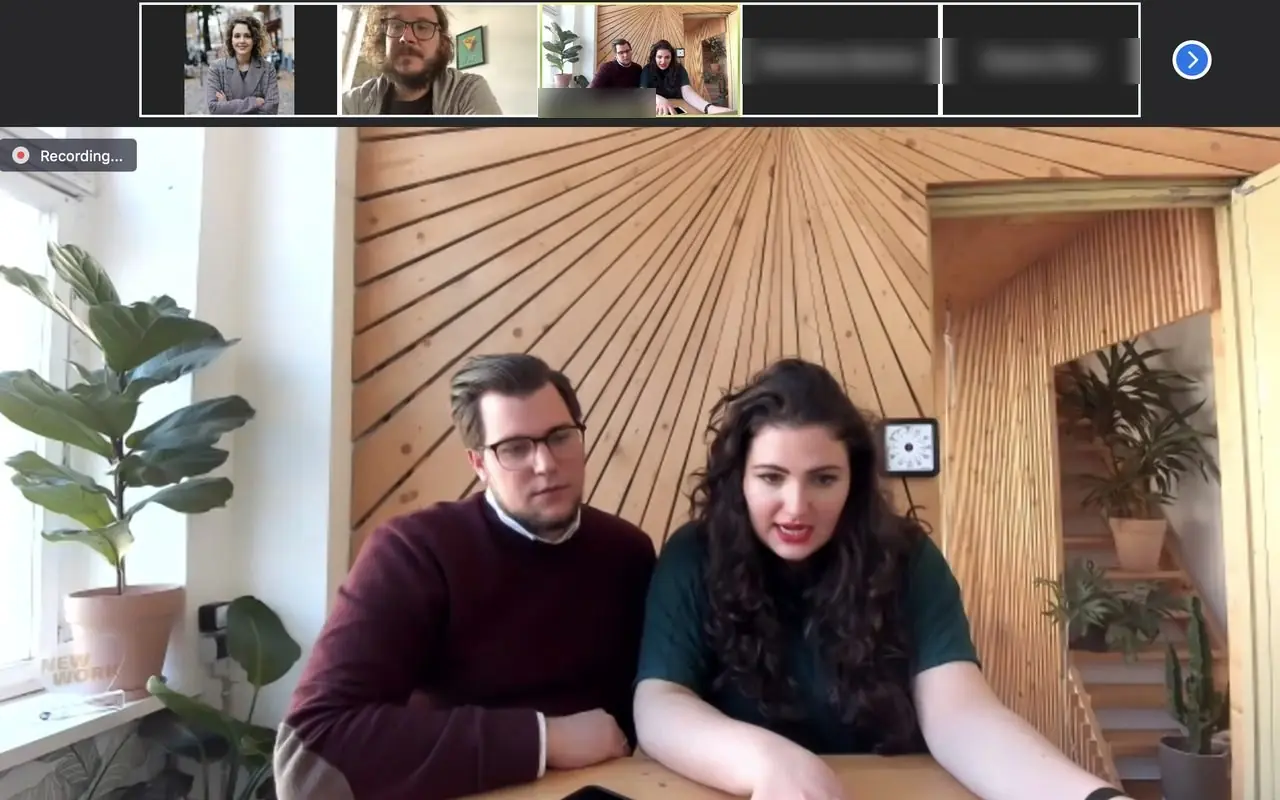
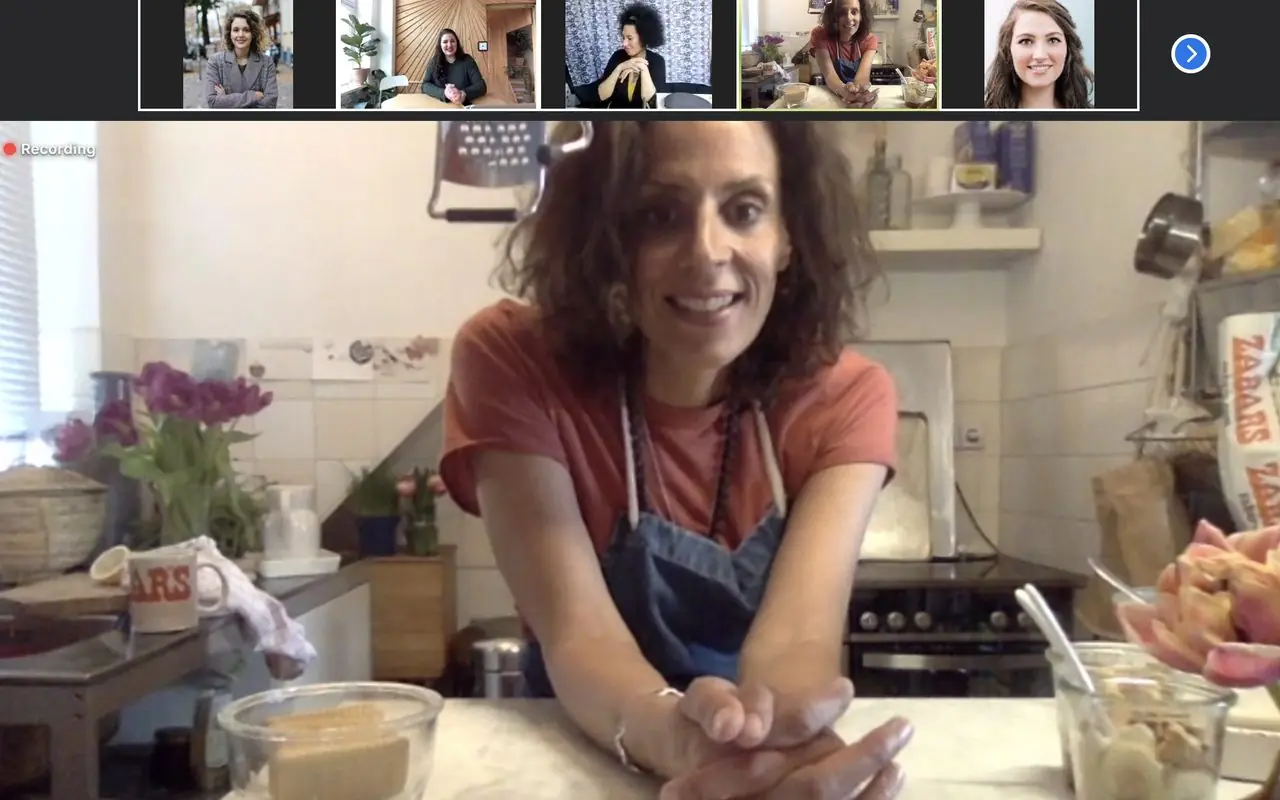
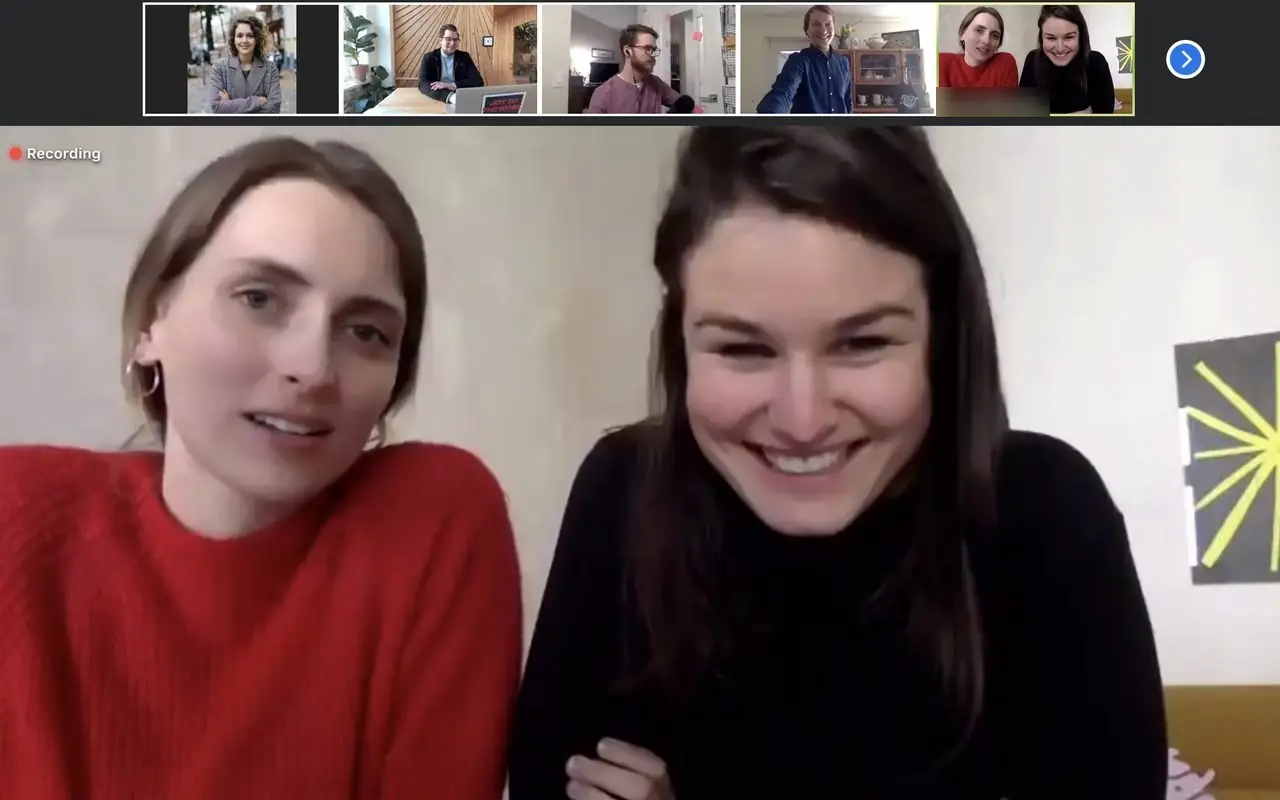
    Then the pandemic came and, overnight, made everyday life out of what we had been experimenting with for years. In April 2020 we held the Home2Work Festival, a virtual work-from-home festival with sessions from living rooms and kitchens. More than 2,500 people joined. Afterwards we published the first report on hybrid work in Germany. In the middle of the pandemic, we founded the Shift Collective with nine other consultancies. Our Christmas party took place by video call on an alpaca farm in Brandenburg. And in the office we rebuilt everything, because work was never going to be the same again.

    At the beginning of 2022 the whole team moved to Portugal for four weeks: cold houses, one stove for everyone, bedrooms as phone booths.

    Above all, what we learned in those years is that flexibility is not a tool.

    2023 to 2024

    New Work arrives in Germany.

    From the beginning of 2024, 45 organisations from very different industries tried out the four-day week for six months. We organised it together with the non-profit 4 Day Week Global, with scientific support from Prof. Dr. Julia Backmann and Dr. Felix Hoch at the University of Münster.

    • 73 % of the companies continued with the four-day week after the pilot phase.
    • Stable: revenue and profit held steady, and both sides, management and staff, perceived higher productivity.
    • Healthier: less stress and fewer burnout symptoms, more exercise, and according to fitness trackers 38 minutes more sleep per week than the control group.
    • The lever: more than 60 percent reduced distractions and improved processes, and around half changed their meeting culture. Overtime was not how they made up the difference.

    Two years after the start, we asked how things were going. We presented the results of the follow-up study in February 2026.

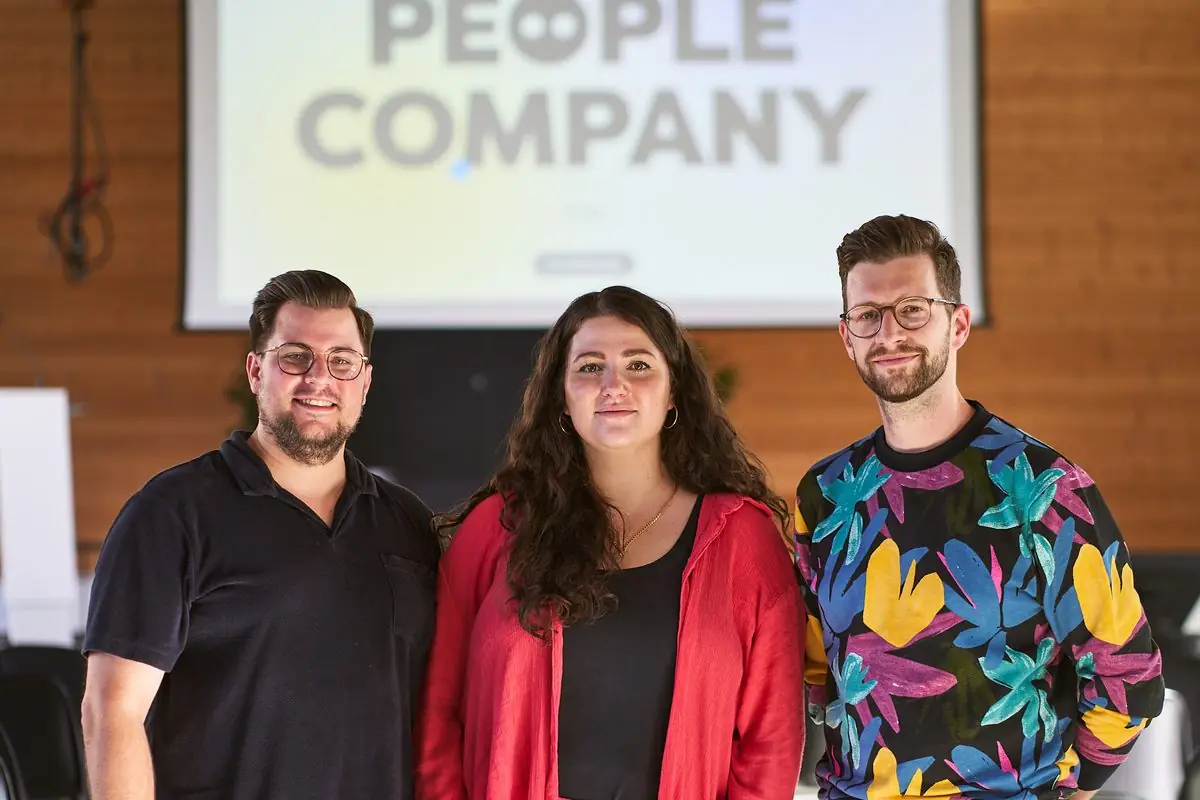
    In 2023 we wanted to know for sure. Together with the University of Münster, we accompanied 45 companies through the four-day week for six months, from skilled trades to IT, with surveys, fitness trackers and hair samples. 73 percent stuck with it. Then came the evening news, talk show invitations and hate mail (“Just move to Sweden!”). And again and again the question of who would bake the bread rolls on Saturdays then. For our tenth birthday we invited everyone to the People Company.

    At the same time, a lot changed for us too. Many on the team set off into new phases of life, and we said goodbye to some of them. We restructured and rethought how we actually wanted to work. After that, things continued differently, and that was a conscious decision.

    2025 to 2026

    Back to the core.

    Our topics had arrived in the public debate. Now it was about bringing in more seniority. We worked as partners, each of us directly with clients again. Instead of growing our own company further, we put everything into the work itself. And we experimented more than we had in a long time, this time with artificial intelligence in our field.

    With PACED we founded a new company, a development programme for HR professionals. And we wrote down what we had learned over all those years: at the beginning of 2026 our book “Work Life Remix” came out. What could be more of a manifesto than a book?

    Now

    Prototype. Now in series.

    We always saw ourselves as a prototype. A prototype exists so that at some point something goes into series production. And so, at the very end, we pulled off one more good move: on 1 January 2027 our consulting business becomes part of the renowned transformation consultancy HRpepper. Carsten will become a partner there, while Nina and Gregor turn to new entrepreneurial and personal challenges. The three of us prepared this step for a long time.

    HRpepper is almost exactly as old as we are, independent and rooted in Germany. Its employees hold shares in the company, so employees become entrepreneurs there. Entrepreneurs within the company: that is exactly what our name stood for. There, the ideas we tried out on ourselves can scale up. That is more than we could have dreamed of in 2012 in a room in a shared flat.

    Yep, that’s us.

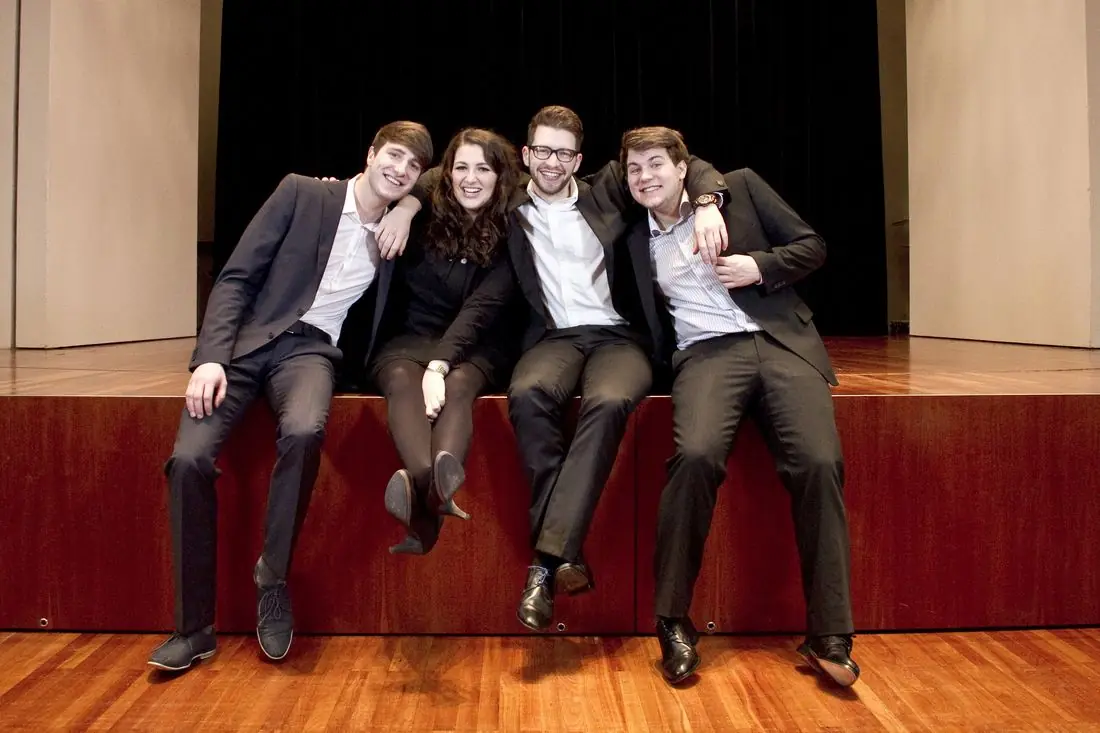
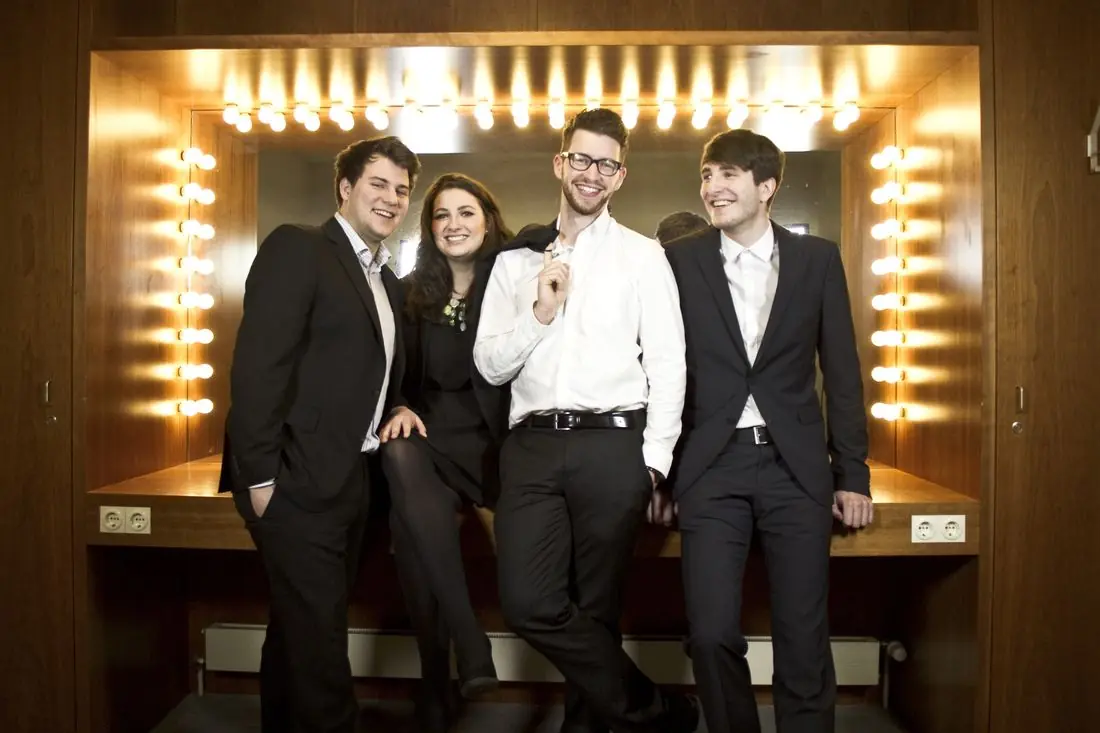
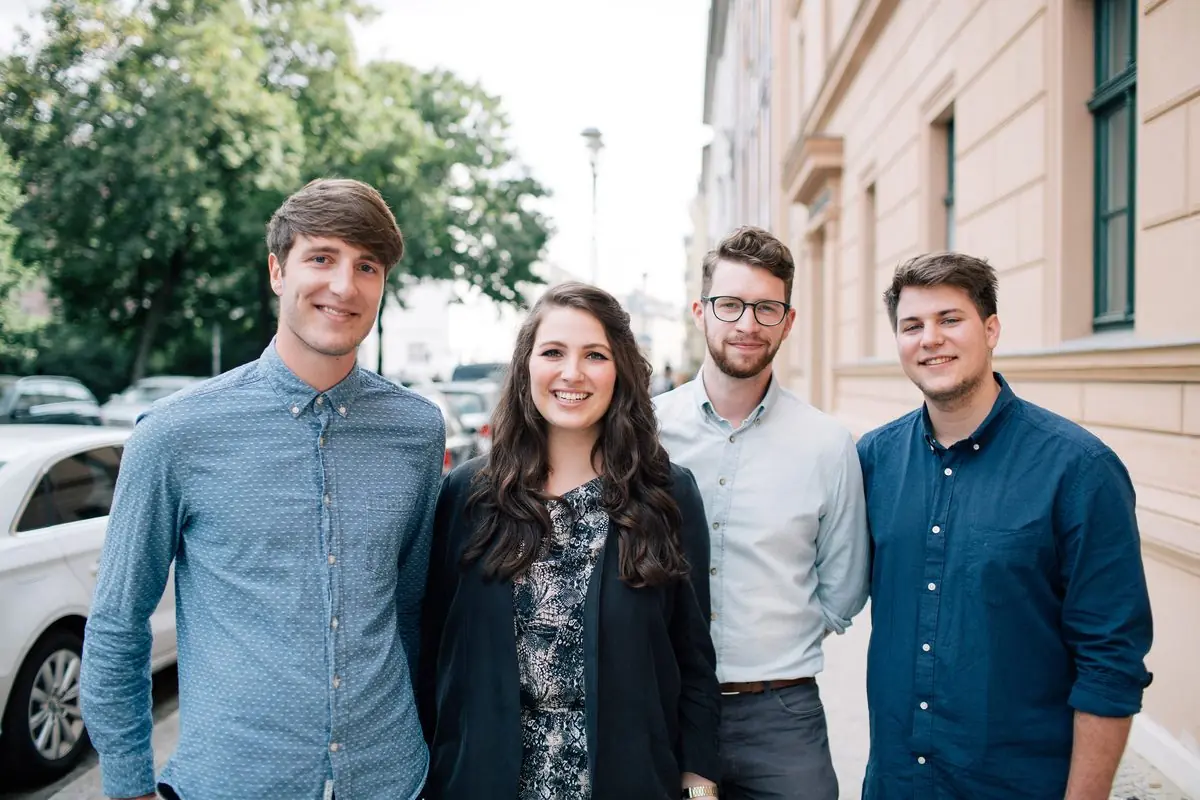
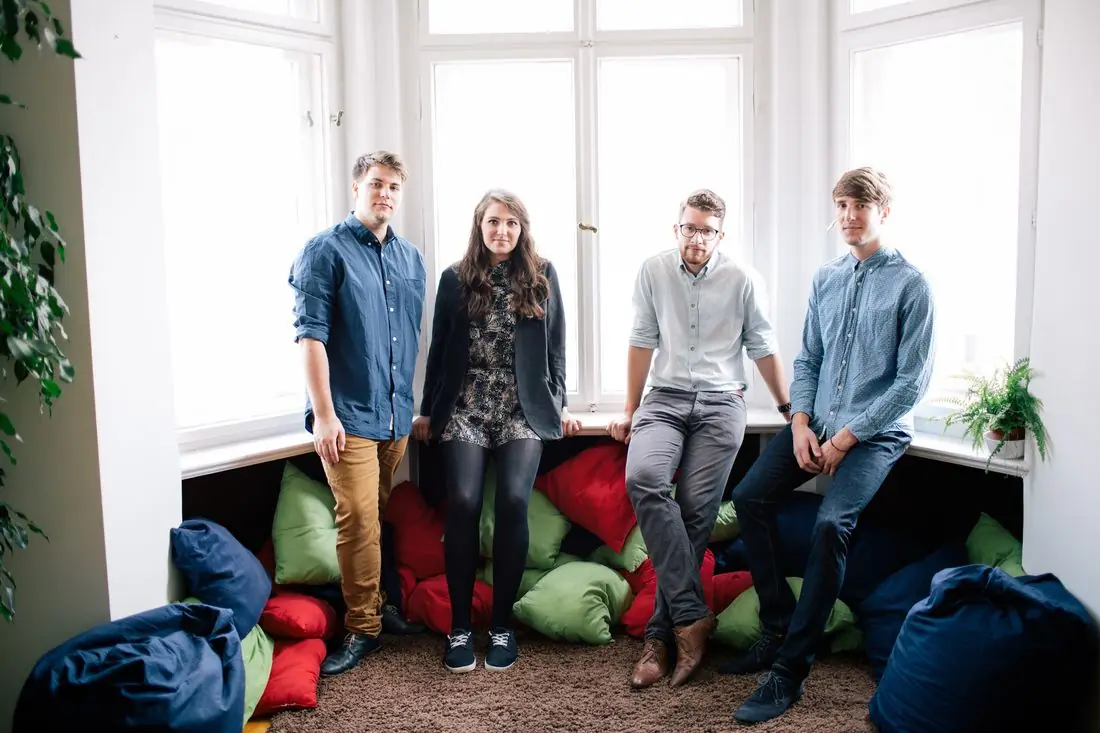
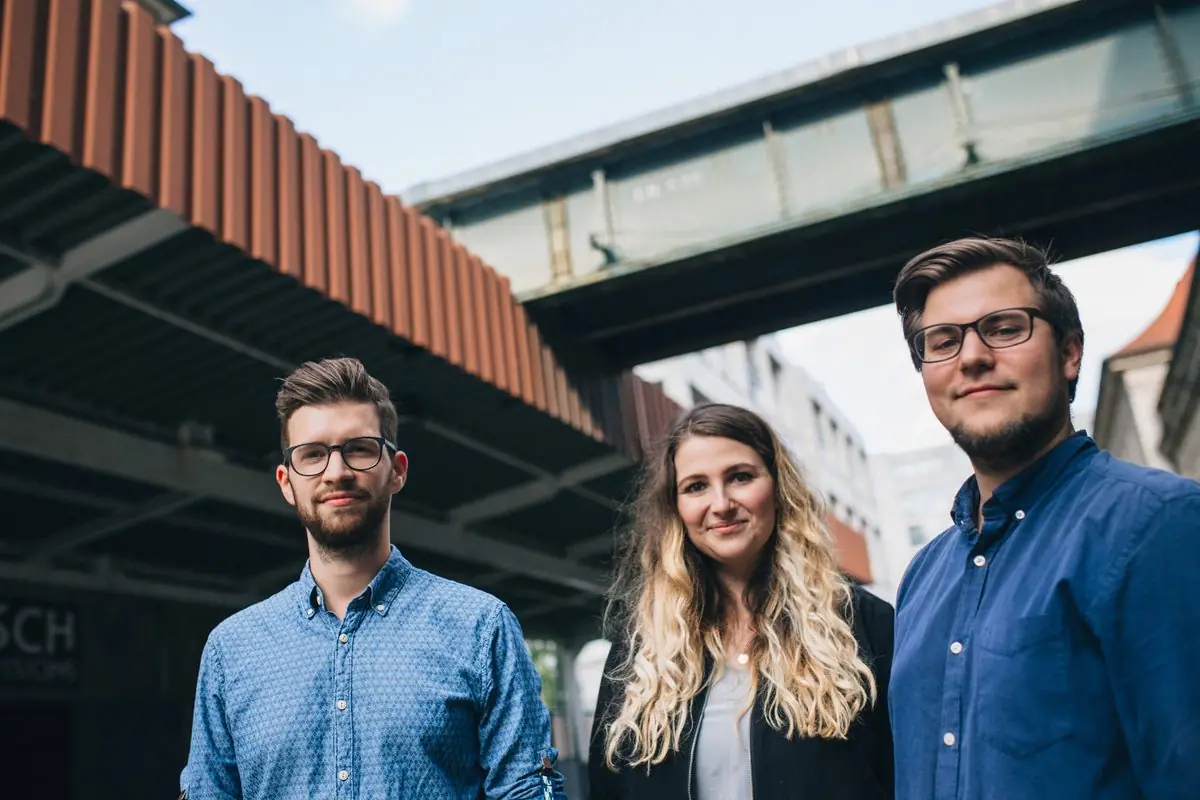
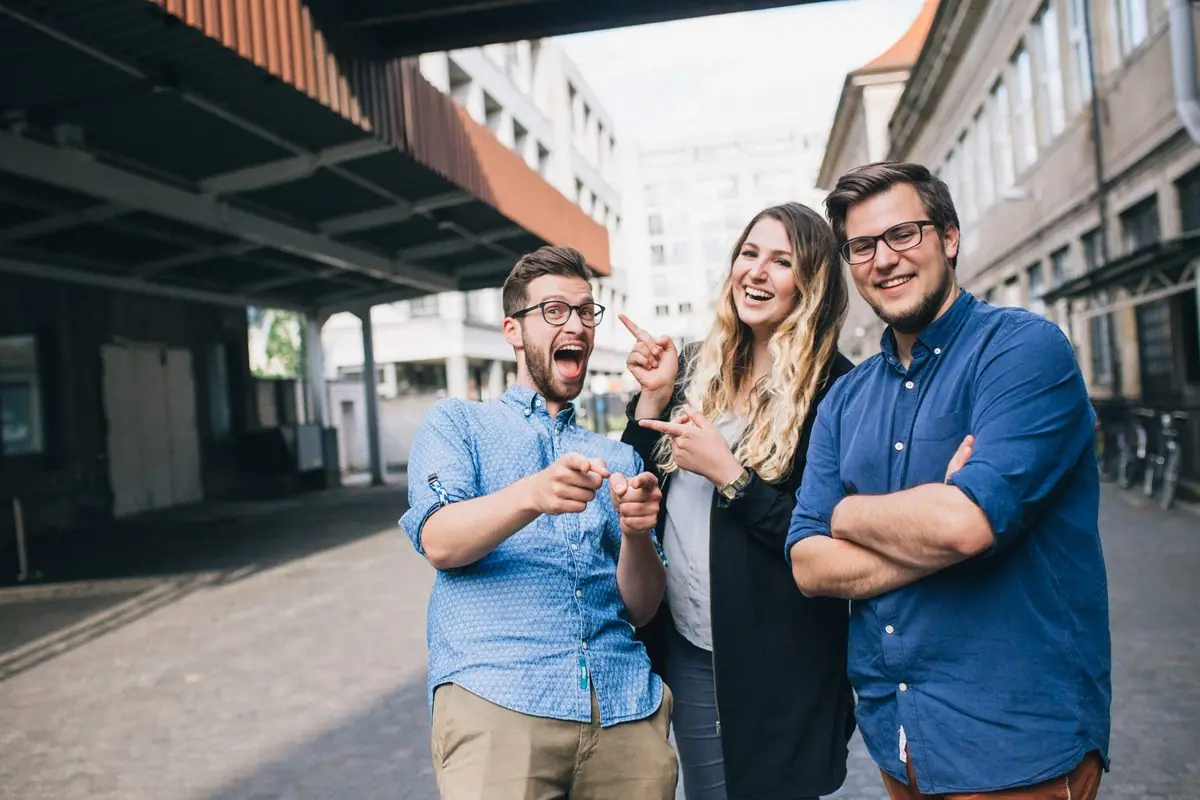
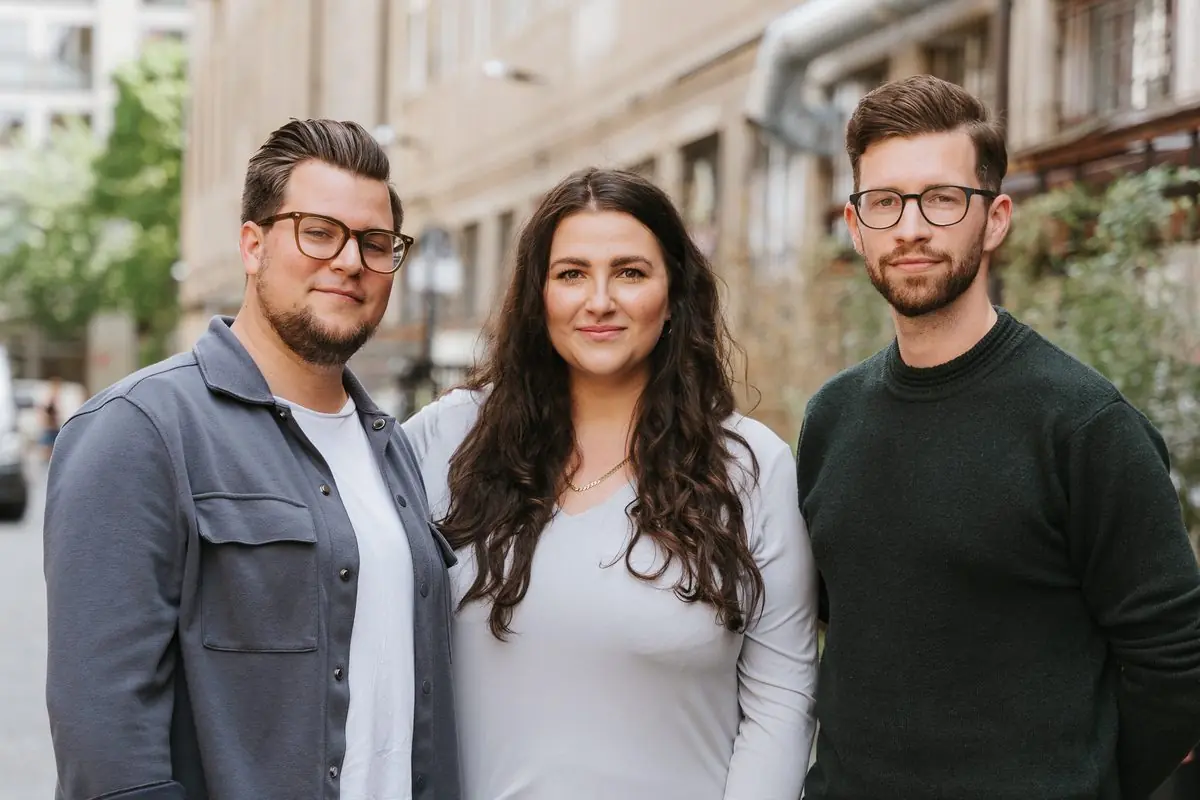
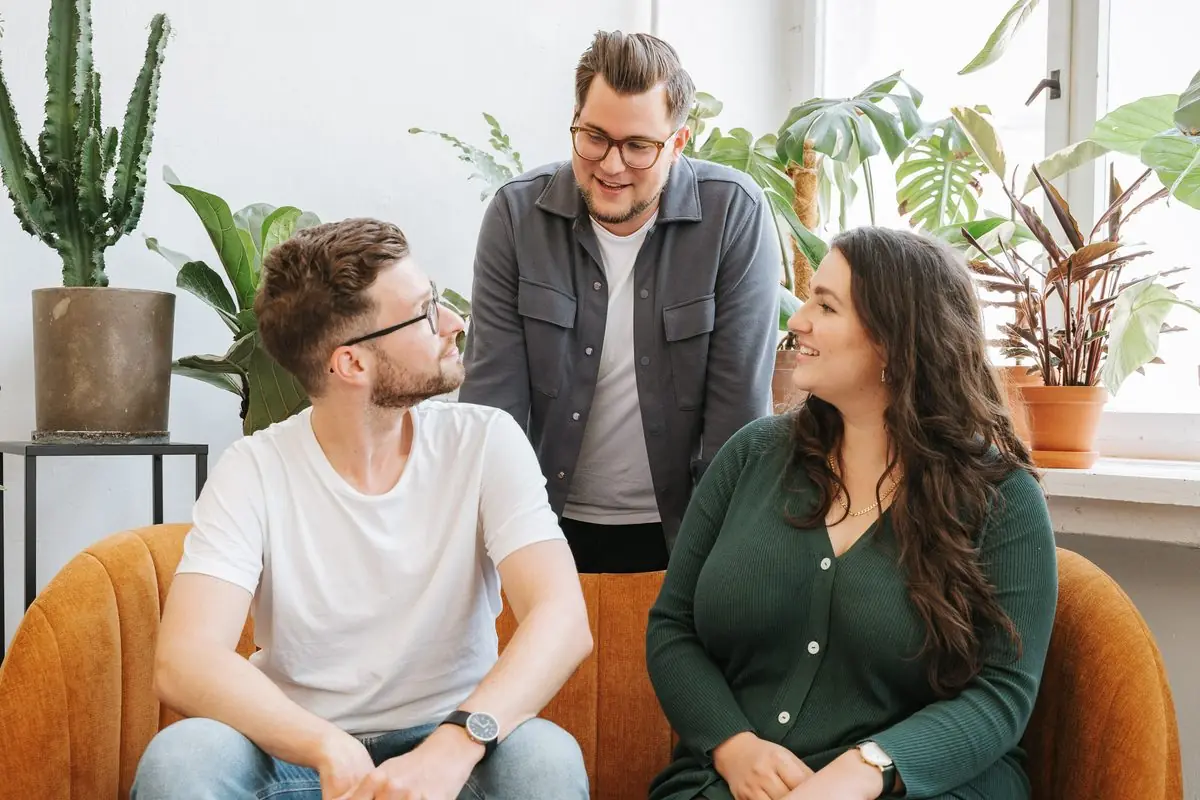
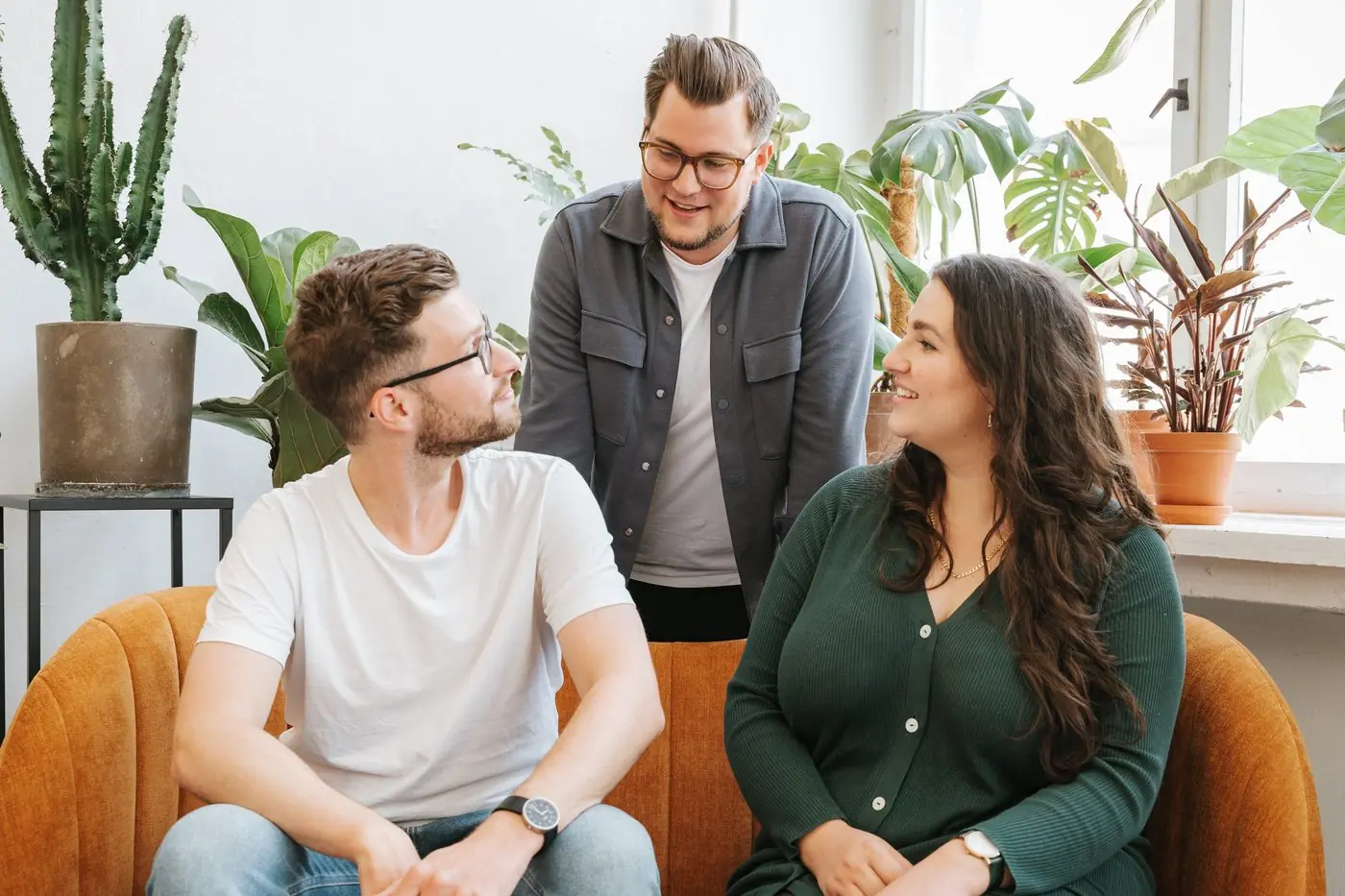
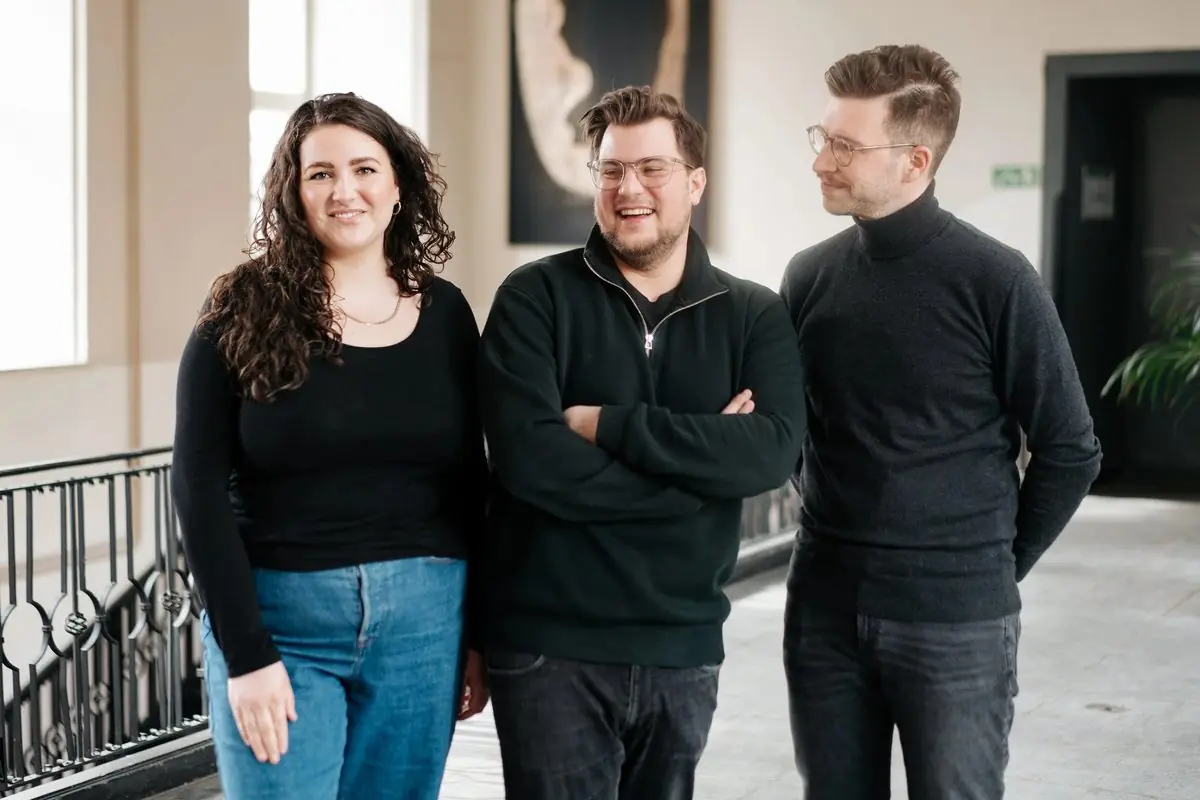
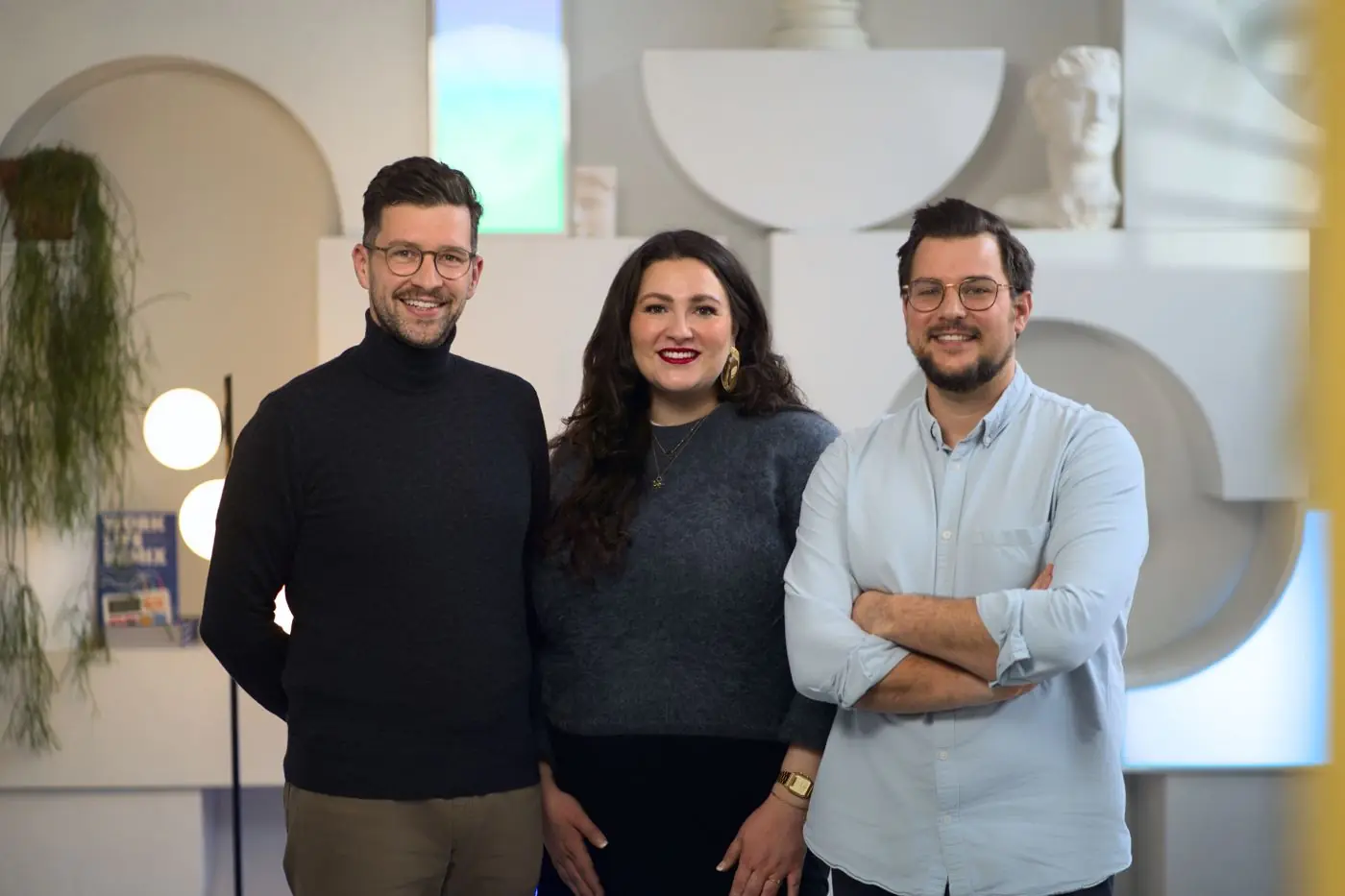
    Carsten, Nina and Gregor in the studio, 2026

    We thank our clients, who gave us chances when we were still the new ones, and who experimented with us instead of just having something presented to them.

    We thank everyone who worked at Intraprenör over the years or trained with us. You carried every experiment, including the ones that went radically wrong. Well, who remembers?

    We thank everyone who caught the spark, who followed us on social media or joined us at our gatherings. And our families and children, who always lived our work with us.

    And everyone who advised us against Intraprenör: you were our motivation.

    Carsten, Nina and Gregor

    PS: We’re never in on Fridays.

    What’s next?

    At the beginning of 2027 we’ll tell you more about our professional and personal projects, so do stay in touch.

    Verworfen: die Bühne.

    Unser erster Kopf für die Homepage, wie bei labs.google: Jede Meldung bekam ihren eigenen Auftritt mit Foto, unten lief die Zeit, die nächste öffnete sich durch eine wachsende Form. Am 18.11.2026 abgelöst vom Sonnenuntergang; von ihr übernommen sind die Zeitleiste mit Pause und das Wechseln der Meldungen. Sie bleibt hier zum Nachschauen.

    Intraprenör becomes part of HRpepper.

    From 1 January 2027 our consulting continues at HRpepper. This site stays.

    Our book: Work Life Remix.

    Everything we learned in fourteen years about new ways of working, to read and to try out. In German.

    The four-day week works.

    73 percent of the companies in our pilot project are sticking with it. The study is still free to download.

    Thank you for 14 years.

    To everyone who tried things out with us: clients, colleagues, friends.

    Our book (German) · Murmann 2026

    Carsten Meier · Nina Meier-Hahasvili · Gregor Kalchthaler

    How people, teams and organisations work better and become more satisfied with the right controls on the mixing desk of work and life.

    1. 04Sound
    2. 128Jamsession
    3. 14Break
    4. 140Festival
    5. 40Mixing desk
    6. 154Synthesizer
    7. 74Remix
    8. 172B-side

    Turn, press, slide: the mixing desk plays along.

    A personal message from Nina, Carsten and Gregor

    Intraprenör becomes part of HRpepper

    Carsten, Nina and Gregor in the studio, 2026

    On 1 January 2027 our consulting business becomes part of the renowned Berlin transformation consultancy HRpepper.

    “We’re the new ones!” That’s what it said on our website and our business cards in the early years. In 2012 we were students at the Berlin University of the Arts, and our first office was Carsten’s room in a shared flat. No master’s degree, no network, no experience. But the unshakeable feeling that work had to be possible differently. When we wanted to start a company straight out of university, our professors warned us: “Everyone who has tried that so far ended up falling out!” Our parents asked: “Wouldn’t you rather do your master’s first?” We founded it anyway.
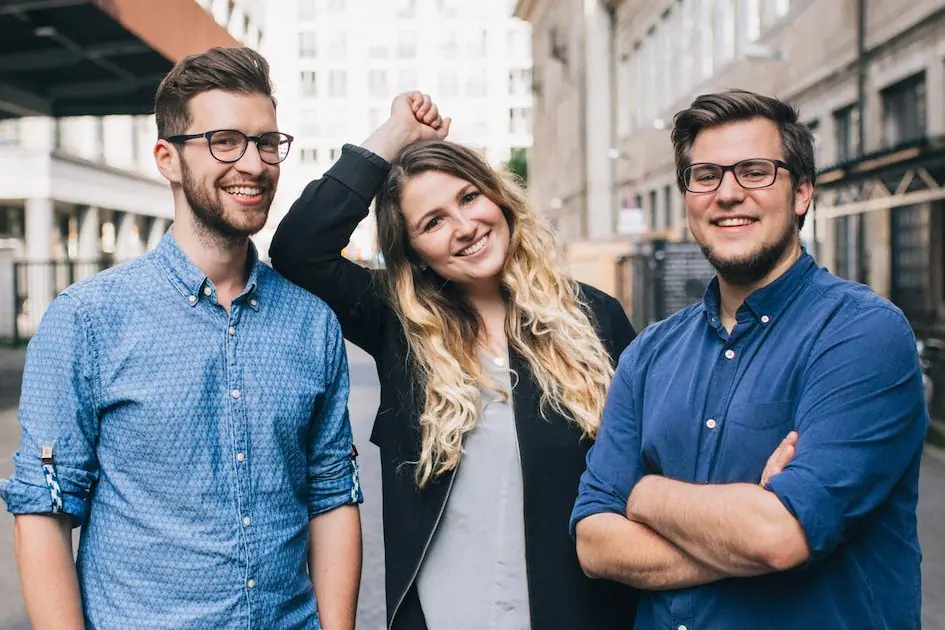
    Fourteen years later, we have arrived. We advised well-known international corporations from Germany, family-run mid-sized companies and growing scale-ups. We looked inside the most diverse organisations and used what we saw to build our own company and our team. We developed methods, published studies and received awards, from the XING New Work Award to “HR Consultancy of the Year”.

    Along the way, we always deliberately chose to work at the very front, where new things emerge: in the experiment, in the trial. In the early years we didn’t want to scale the business, we wanted to scale the ideas. Today everyone in Germany has an opinion on the four-day week and hybrid work. We have, if you like, written ourselves into the culture.

    Now comes our next step, and the three of us prepared it for a long time. Carsten becomes a partner at HRpepper, while Nina and Gregor turn to new entrepreneurial and personal challenges. The three of us stay connected through joint projects and holdings such as our HR edtech startup PACED. Until the end of the year, we will guide the transition together.

    Why HRpepper

    We always saw ourselves as a prototype. A prototype exists so that at some point something goes into series production. That takes a house that can accompany large transformations and where what we stand for continues.

    HRpepper is such a house, and almost exactly as old as we are. Since 2012 the Berlin transformation consultancy has helped organisations make the working worlds of tomorrow more humane and sustainable, based on scientific evidence and human-centred methods: from organisation and culture to HR and people experience, diagnostics, leadership development and C-level coaching. While many HR and organisational consultancies have become part of international corporations in recent years, HRpepper remains independent and rooted in Germany. Its employees hold shares in the company, so employees become entrepreneurs there. The entrepreneur within the company: that is exactly what the name Intraprenör stood for, and it now merges into HRpepper.

    That matters right now. AI is fundamentally reorganising work, in Germany and across Europe. How organisations stay humane and high-performing in the process is one of the big questions of the coming years. What connects us with HRpepper is the conviction that organisations perform especially well when they take their people’s needs seriously and live change themselves. Innovation, the world of work and organisation have found a good harbour at HRpepper.

    “Intraprenör showed early on that new forms of collaboration are not just theoretical concepts, but can work in practice,” says Dr. Matthias Meifert, founder and managing partner of HRpepper. “We want to build a consultancy that can accompany large transformation projects while preserving its entrepreneurial independence, its closeness to people and its own character.”

    What we take with us

    “We founded Intraprenör with a hefty dose of hubris. It was never about becoming the biggest consultancy, but about our ideas becoming big. Today people argue about the four-day week as a matter of course, and the rollback of working from home is not simply accepted. That makes me giggle inside. Digitalisation changed how we work. AI is now changing work itself. Which tasks will remain for us humans? That is the next big question of humanism. For me, the answer lies in what only humans can be: biographical, silly, flawed, real.”

    Gregor

    “When we started Intraprenör, we honestly didn’t even know what HR actually stood for. Human Resources? Hardly Relevant? Hotel Receipts? Over the years we helped courageous HR teams on their way to People & Culture: away from a department that administers, towards one that shapes the organisation. And now the next shift is coming. AI is changing work itself, and HR has a new mandate: to lead its own organisation through this transformation, and itself along with it. We have been practising for that for fourteen years.”

    Carsten

    “We tried out a lot, and planned even more. We organised our weddings with the company’s project management tool. Still, what we learned above all is that flexibility is not a technical thing. It begins where planning ends: when the daycare is closed, a project is on fire and someone still says: we’ll manage. Flexibility can’t be managed like a KPI. It takes attitude. And it carried us as a team, sometimes through gritted teeth, sometimes with ease.”

    Nina

    Thank you

    To our clients, who gave us chances when we were still the new ones. And who experimented with us instead of just having something presented to them.

    To everyone who worked at Intraprenör over the years or trained with us. You carried every experiment, including the ones that went radically wrong. Well, who remembers?

    To everyone who caught the spark and came along with enthusiasm. Who brought us joy on social media for years or joined the gatherings we created.

    To our families and children, who always lived our work with us.

    And to everyone who advised us against Intraprenör. You were our motivation.

    And now?

    How do you end an entrepreneurial journey? Ideally, not at all. For us it goes on, and early next year we will share our next steps.

    This site stays, with all the experiments, our story and our book. Only at the beginning of this year did we write our story down, and what could be more of a manifesto than a book? We’d be delighted if you keep following Work Life Remix. You can still reach us at the familiar addresses.

    Carsten, Nina and Gregor

    PS: We’re never in on Fridays.

    Press release of 24 November 2026, full text (translated from German)

    HRpepper brings Intraprenör, a pioneer of new work, on board

    Berlin, 24 November 2026

    The Berlin HR and organisational consultancy Intraprenör becomes part of HRpepper on 1 January 2027 and brings its pioneering work on new ways of working into the renowned transformation consultancy, which thereby continues its growth strategy. Intraprenör is one of the early trailblazers of the New Work movement in Germany. The three founders prepared this step together: Carsten Meier becomes a partner at HRpepper. Nina Meier-Hahasvili and Gregor Kalchthaler will accompany the transition and turn to new professional and personal challenges from 2027.

    Two consultancies with a shared idea of transformation

    HRpepper and Intraprenör share the conviction that organisations perform especially well when they take their employees’ needs seriously and live change themselves. Both companies specialise in helping organisations shape future-proof working environments.

    “Intraprenör showed early on that new forms of collaboration are not just theoretical concepts, but can work in practice,” says Dr. Matthias Meifert, founder and managing partner of HRpepper. “By making Intraprenör part of HRpepper, we combine this pioneering spirit with our experience in transforming large organisations. Especially at a time when companies have to change fundamentally, this combination is particularly valuable.”

    From New Work experiment to sought-after consulting partner

    Intraprenör was founded in 2012 by Carsten Meier, Nina Meier-Hahasvili and Gregor Kalchthaler, straight out of university. Their approach was unusual from the start: instead of only advising companies, the founders wanted to test new forms of work on themselves first.

    As a “prototype for new work”, Intraprenör experimented with the four-day week, role-based collaboration and shared workations. The experience from its own organisation flowed into its consulting for corporations, family businesses and scale-ups.

    Intraprenör received numerous awards for this approach, including the XING New Work Award 2018 and the HR Excellence Award as “HR Consultancy of the Year” 2019. With early studies on hybrid work and the four-day week, the company also shaped the public debate about the future of work. In 2026 the three founders brought together their experience and insights in the book “Work Life Remix” (Murmann).

    “We founded Intraprenör to show that a different way of working is possible, and that it can make companies more successful,” the three founders explain. “After 14 years, the time has come for us to take the next step. With HRpepper, our ideas and experience find a larger setting in which to make an impact in even more organisations.”

    HRpepper bets on independent growth in the consulting market

    The step is also a further step in HRpepper’s buy-and-build strategy. While numerous established HR and organisational consultancies have become part of international consulting groups in recent years, HRpepper is taking its own path: the company is building an independent transformation consultancy rooted in Germany and is expanding its portfolio with complementary expertise. With Intraprenör, it now gains the experience of a firm known above all for its expertise in new forms of work and organisation.

    “We want to build a consultancy that can accompany large transformation projects while preserving its entrepreneurial independence, its closeness to people and its own character,” explains Meifert. “With its experience, its attitude and its innovative strength, Intraprenör fits this ambition perfectly.”

    About HRpepper

    HRpepper is a transformation consultancy based in Berlin. Since 2012 the company has supported organisations in making the working worlds of tomorrow more humane and sustainable, based on scientific evidence and human-centred methods. Its clients include DAX and MDAX companies, mid-sized businesses and public organisations. HRpepper has received several awards for consulting quality and employer culture.

    About Intraprenör

    Intraprenör is an HR and organisational consultancy founded in Berlin in 2012 by Carsten Meier, Nina Meier-Hahasvili and Gregor Kalchthaler. The company supports corporations, mid-sized companies and scale-ups in transforming their world of work. It sees itself as a prototype for new work. Its awards include the XING New Work Award and the HR Excellence Award “HR Consultancy of the Year”.

    Press contact

    HRpepper: Daniela Graf, Head of Marketing, HRpepper GmbH & Co. KGaA, Tempelhofer Ufer 11, 10963 Berlin · Tel. +49 (0)30 2593575 0 · info@hrpepper.de
    Intraprenör: Gregor Kalchthaler, Managing Director, Intraprenör GmbH, Am Krögel 2, 10179 Berlin · Tel. +49 (0)30 2359624 0 · gregor@intraprenoer.de

    Geschichte · 6 Minuten · Platzhaltertext

    Wie aus einem Pilotprojekt eine Bewegung wurde.

    Hier steht später die ganze Geschichte. Bis dahin zeigt dieser Text, wie sich ein langes Stück auf der Seite liest.

    Schmale Zeilen

    Eine Zeile hat höchstens 65 Zeichen. So findet das Auge am Zeilenende den Anfang der nächsten, auch nach zehn Minuten Lesen. Die Schrift ist etwas größer als sonst und hat mehr Luft zwischen den Zeilen.

    Das Leseblatt scrollt für sich, die Seite dahinter bleibt stehen und verschwimmt. Einen Fortschrittsbalken braucht es bei Texten dieser Länge nicht.

    Zwischentitel alle paar Absätze

    Wer nur überfliegt, liest die Zwischentitel und weiß trotzdem, worum es geht. Drei oder vier Absätze pro Abschnitt reichen.

    Zitate brechen lange Texte auf und geben den Menschen eine Stimme, die dabei waren.

    Raus kommt man immer

    Mit dem runden Knopf oben, mit der Escape-Taste oder mit einem Klick daneben. Auf dem Handy kommt das Blatt von unten und lässt oben einen Streifen der Seite stehen, damit klar bleibt, wo man ist.

    Weitere Bilder sitzen in voller Breite des Textes und öffnen per Klick die Bildansicht.

    PACED

    Become the person people ask when the future of work is decided.

    You keep HR running. But when work is redesigned, others often make the decisions.

    PACED is our new company. Nina, Carsten and Gregor are building it together right now: an online programme for HR professionals in German, digital, flexible and with personal sparring. You deliberately build the skills to help shape AI, business, leadership and organisation with real substance.

    1. 1Keep the Pace.
    2. 2Push the Pace.
    3. 3Set the Pace.

    Twelve future skills on three levels: four Keep-the-Pace, five Push-the-Pace and three Set-the-Pace skills.

    Your personal path is 4+3+1: four shared foundations, three prioritised deep dives and one primary path for shaping your role.

    You don’t need to code. What matters is curiosity about AI and data, and a willingness to learn on your real work.

    Voices from the programme

    Free training for HR professionals with Gregor Kalchthaler (German)

    About 40 minutes: what is shifting in HR right now and which skills you need for it.

    To the free training
    More about PACED
    Heads UpEnd the game and go back to the page
    Work Life RemixBack to the page

    Contact

    For anything general, you can reach us here.

    mail@intraprenoer.de+49 30 23596240

    Intraprenör GmbH
    Am Krögel 2, 10179 Berlin